

Sectores y aplicaciones
The two common processes used to apply the zinc coating to the low carbon steel wire mesh are electrogalvanizing and hot-dip galvanizing. Electrogalvanizing bonds a layer of zinc to the steel via electroplating, while hot-dip galvanizing requires immersing the steel in an ~850°F bath of molten zinc to form the bond. The benefit of the electrogalvanizing process is that it allows for thinner zinc deposits to achieve improved corrosion resistance. The benefit of the hot-dip galvanizing process is that it allows for a zinc coating 5-10 times thicker than the electrogalvanizing process, and thus offers superior corrosion resistance. As the hot-dip galvanizing process will fill-in the cloth openings in fine wire mesh, electrogalvanizing is the process of choice for galv after wire cloth with 10 or more wires per lineal inch.
Additionally, galv after wire cloth can be protected with epoxy coatings, PVC/vinyl coatings, and our electrostatic application of powder coating. Some characteristics of galvanized after wire cloth which dictate its use are:
- Usually low carbon plain steel alloy.
- Material de coste relativamente bajo y alta resistencia.
- Atractivo en cualquier circunstancia.
- Improved corrosion resistance vs. low carbon steels.
- Longer outdoor lifetime vs. galvanized before wire mesh.
- Protective coatings can be applied to further improve resistance.
- Se puede cortar, conformar y soldar.
Galvanized after wire mesh is used across a wide array of various industries and applications due to its relatively low cost, high strength, and good corrosion resistance. Some of the industries and applications which commonly use galv after wire mesh include:
- Agrícola
- Archaeological
- Edificación y construcción
- Concrete Reinforcement
- Farm & Garden
- Temporary Fencing
- Gabions / Stone Retention
- General Industrial
- Greenhouse
- Landscaping
- Particle Separation
- Paneles de relleno para barandillas y barreras de seguridad
- Seguridad y prisiones
- Solar Panels
- Rejillas de seguridad para ventanas
- Zoo Cages & Animal Enclosures
Amplio stock y capacidad de fabricación bajo pedido
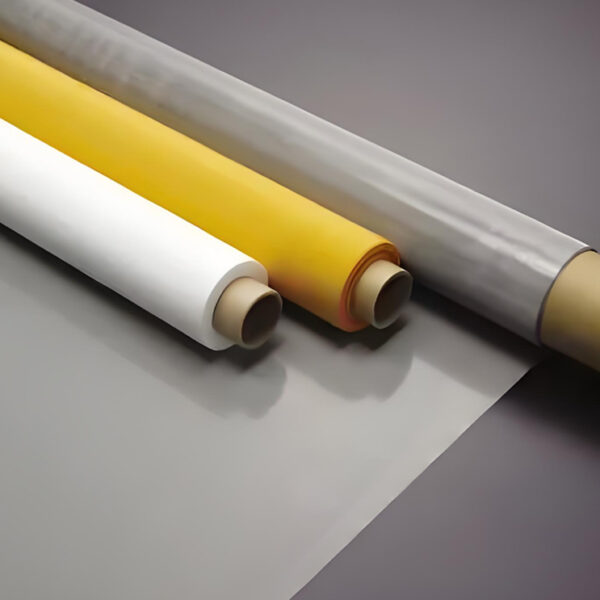
SUNON Wire Cloth carries one of the largest stock inventories of both woven and welded galvanized after wire mesh, hardware cloth, bolting cloth, milling cloth, and filter cloth etc, and can manufacture-to-order any combination of mesh opening size + wire diameter(s) needed to meet your specific project requirements. In addition, we can slit, cut, punch, form, heat treat, powder coat, etc. galvanized after wire mesh to deliver the exact material you require.