-
Monel
MONEL®-Drahtgeflecht – Übersicht über die Legierungen
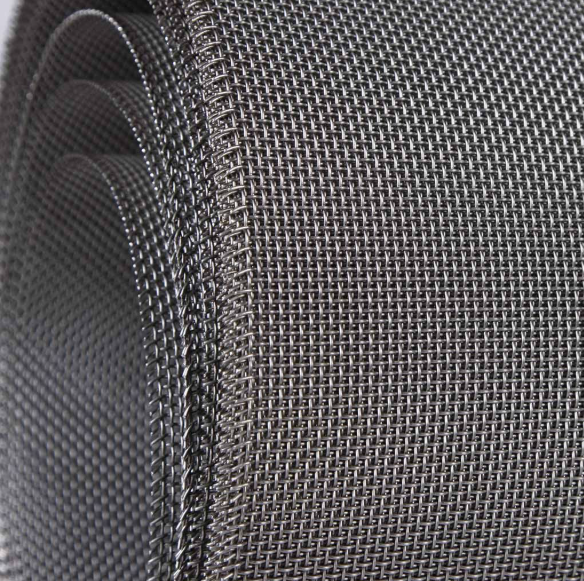
Monel-Drahtgewebe ist eine Nickel-Kupfer-Legierung, die in einer Vielzahl von korrosiven Umgebungen eine gute Beständigkeit aufweist. Die in der Drahtgewebeindustrie am häufigsten verwendete Monel-Legierung ist UNS N04400 (Monel-Legierung 400). Ihre nominelle Zusammensetzung aus ~67% Nickel und ~31% Kupfer geht auf die frühen 1900er Jahre zurück, als sie erstmals von der International Nickel Company entwickelt wurde, um das in ihren Minen in Ontario, Kanada, vorkommende nickelhaltige Erz mit hohem Kupfergehalt zu verwerten. Monel-Drahtgewebe weist nach dem Weben eine hervorragende Haltbarkeit und Festigkeit auf, wodurch es sich gut für den Einsatz in vielen industriellen und gewerblichen Anwendungen eignet. Im Vergleich zu Kupferlegierungen ist Monel-Drahtgewebe widerstandsfähiger gegenüber oxidierenden Bedingungen. Im Vergleich zu Nickel 200 weist Monel-Drahtgewebe eine höhere Beständigkeit in reduzierenden Umgebungen auf. Da seine Farbe und sein Aussehen fast denen von Edelstahl entsprechen, ist Monel-Drahtgewebe angesichts seines höheren Preises keine Legierung der Wahl für dekorative Anwendungen. Einige Eigenschaften von Monel-Drahtgewebe, die seinen breiten Einsatz bestimmen, sind:
- Nickel-Kupfer-Legierung in Form einer festen Lösung.
- Bei Raumtemperatur oder darunter ist es im geglühten Zustand leicht magnetisch.
- Oberhalb der Raumtemperatur ist es im geglühten Zustand nicht magnetisch (abhängig von Verunreinigungen in der Zusammensetzung).
- Hält Witterungseinflüssen im Freien stand, ohne zu rosten; ideal für den Einsatz in maritimen Umgebungen und im Meerwasser.
- Hervorragende Korrosionsbeständigkeit in einer Vielzahl von industriellen und chemischen Umgebungen.
- Gut geeignet für den Einsatz in Salzsäure; hervorragend geeignet zur Bekämpfung von Lochfraß und Spaltkorrosion in chloridhaltigen Medien.
- Hervorragend geeignet zur Bekämpfung von chloridinduzierter Spannungsrisskorrosion.
- Nicht zur Verwendung in Salpetersäure.
- Maximale Betriebstemperatur von ~1000°F.
- Lässt sich schneiden, formen und schweißen.
-
Pro Wellengitter
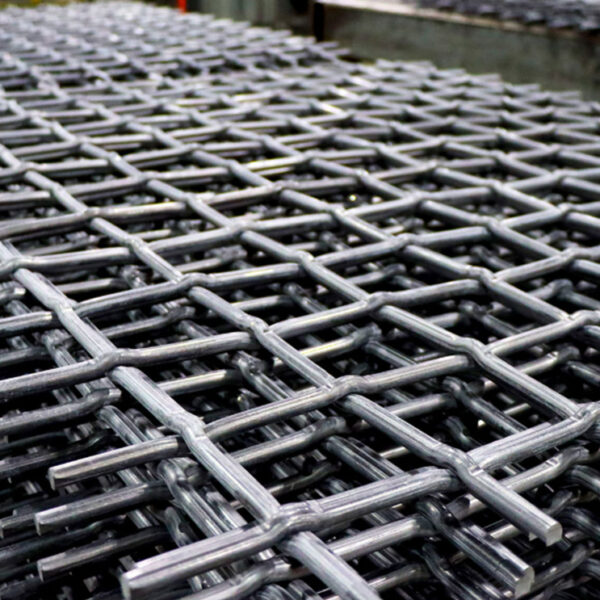
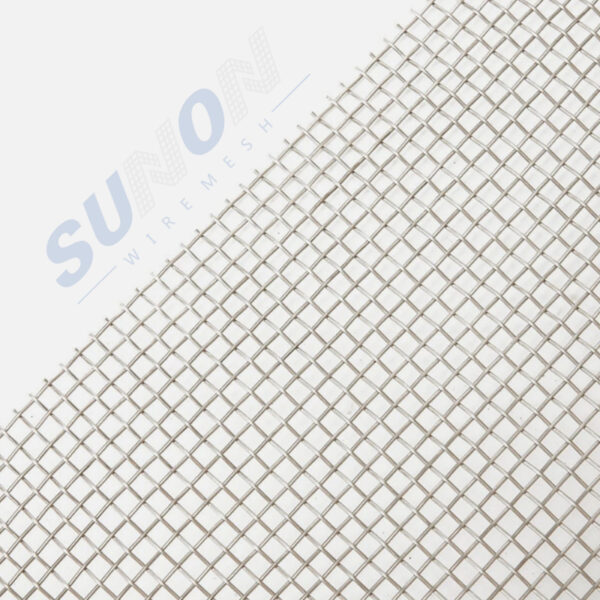
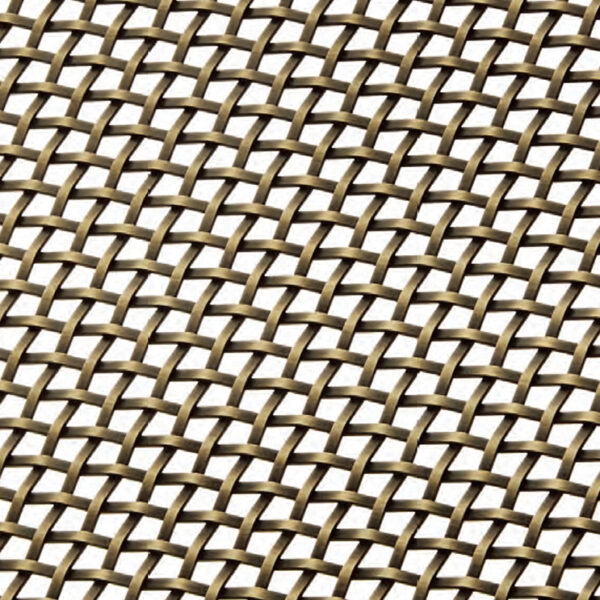
Durch das Vorcrimpen der Drähte verriegeln sich die Maschen miteinander und bilden ein dichtes Gewebe mit guter Steifigkeit und ansprechender Optik. Es findet breite Anwendung in der Architektur, beispielsweise als Füllpaneele, Käfige und Dekoration. Außerdem wird es in den Bereichen Akustik, Filtertechnik, Brückenschutz, Luft- und Raumfahrt, Nagetierbekämpfung und Lkw-Kühlergrills eingesetzt. SUNON stellt verschiedene Ausführungen her, darunter doppelt gekräuselte Drahtgitter, mittelstark gekräuselte Drahtgitter, doppelt mittelstark gekräuselte Drahtgitter, verriegelungsgekräuselte Drahtgitter und flach gekräuselte Drahtgitter.
-
Perforiertes Blech
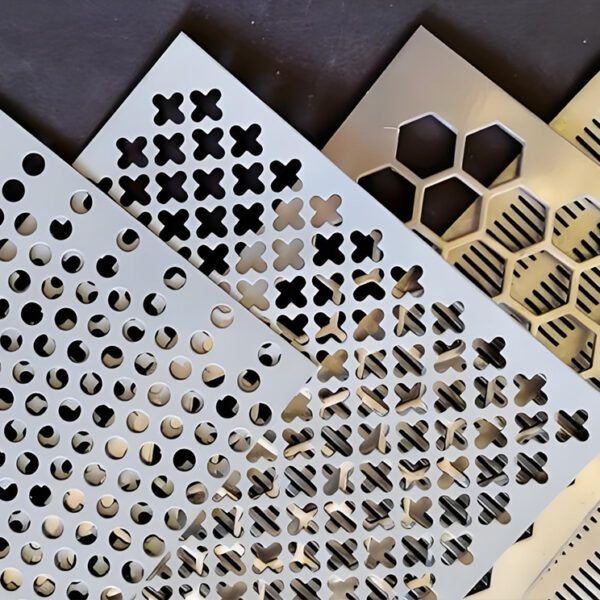
Perforiertes Metall wird hergestellt, indem mit Stanzwerkzeugen oder Pressen eine Reihe von Löchern, Schlitzen, Stegen oder dekorativen Mustern in Bleche eingearbeitet wird. Früher mussten diese Bleche von Fachkräften mit handgeführten Werkzeugen gestaltet werden, doch dank der Fortschritte in der modernen Technologie können perforierte Bleche heute mit einer Vielzahl von Bearbeitungsverfahren hergestellt werden. Bei SUNON erweitern wir unser Angebot an perforierten Materialien zügig und kontinuierlich. Wir sind bestrebt, unseren Kunden ein Qualitätsprodukt zu liefern, das ihren sich ständig weiterentwickelnden Anforderungen gerecht wird.
Mit den wachsenden Anforderungen unserer Kunden wächst auch unsere Auswahl an Lochmustern und Materialien. Neben den branchenüblichen Mustern und Blechgrößen bieten wir auch fortschrittliche Lösungen an.
Ganz gleich, ob Ihre Anforderungen an Lochbleche einfach oder komplex sind – unser erfahrenes Vertriebs- und Ingenieurteam verfügt über das technische Know-how, um sicherzustellen, dass Sie genau das richtige Produkt für Ihre Anwendung und Ihre Anforderungen erhalten. Sie erhalten auf Anhieb das ideale Produkt – und das gilt auch bei jedem weiteren Kauf bei SUNON.
-
Phosphor-Bronze
90-10 Phosphorbronze-Drahtgeflecht – Übersicht über die Legierung
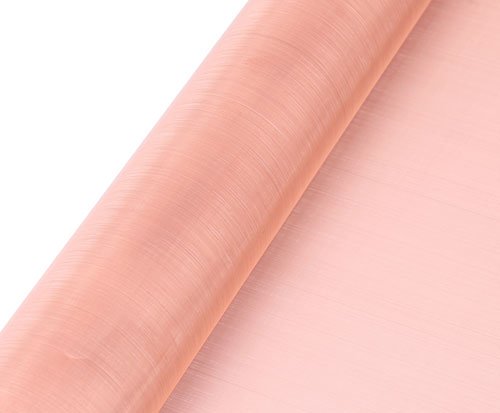
Phosphorbronze-Drahtgewebe (auch bekannt als C220-Bronze-Drahtgewebe) ist die in der industriellen Drahtgewebebranche am häufigsten verwendete Bronzelegierung. Wie der gebräuchliche Branchenname schon andeutet, besteht die Handelsbronze 90-10 aus 90% Kupfer und 10% Zink, mit geringen Beimengungen von Blei (0,025%) und Eisen (0,025%). Im Vergleich zu Kupferdrahtgewebe weist C220-Bronzedrahtgewebe eine deutlich bessere Abriebfestigkeit, Härte und Zugfestigkeit auf; zudem zeichnet es sich durch eine verbesserte Korrosionsbeständigkeit und eine geringere elektrische Leitfähigkeit aus. Da ein höherer Zinkgehalt zu einem festeren, duktilen Material führt, ist 90-10-Handelsbronze schwächer und weniger duktil als andere Messingdrahtgewebe-Legierungen (z. B. 65-35-Gelbmessing). Im Vergleich zu Phosphorbronzen ist C220-Bronze ein weicheres Material. Einige Eigenschaften des 90-10-Handelsbronze-Drahtgewebes, die seinen breiten Einsatz bestimmen, sind:
- Die am häufigsten verwendete Bronzelegierung für Drahtgewebe.
- In jeder Form nichtmagnetisch.
- Von satter bronzefarbener (d. h. braun-roter) Farbe.
- Hält den Witterungseinflüssen im Freien stand, ohne zu rosten.
- Höhere Beständigkeit gegen atmosphärische Korrosion im Vergleich zu Messinglegierungen.
- Korrodiert bei Kontakt mit Ammoniak und anderen Salzen.
- Gute Wärme- und elektrische Leitfähigkeit.
- Antimikrobiell.
- Lässt sich schneiden und formen.
-
Glatter Stahl
Einfaches Stahldrahtgeflecht – Übersicht über die Legierungen
Einfaches Stahldrahtgeflecht ist aufgrund seiner Zugfestigkeit und hohen Schlagzähigkeit die am häufigsten verwendete einfache Stahllegierung bei der Herstellung von industriellen Drahtgewebesieben. Die hauptsächlich aus Eisen bestehenden kohlenstoffarmen Sorten 1005, 1006 und 1008 werden am häufigsten verwendet und enthalten geringe Anteile an Kohlenstoff (0,0–0,11 TP3T), Mangan (0,0–0,51 TP3T – was die Festigkeit erhöht), Phosphor (0,0–0,04%) und Schwefel (0,0–0,05%). Eine geringe Abriebfestigkeit und Korrosionsbeständigkeit können den Einsatz in bestimmten Anwendungen einschränken; jedoch kann eine Vielzahl spezieller Schutzbeschichtungen aufgebracht werden, um die Beständigkeit zu verbessern. Das Verzinken (vor oder nach der Herstellung) ist die wirtschaftlichste Methode zum Korrosionsschutz. Alternativ wird bei Sieben für schlammhaltige Medien häufig eine schützende Zinnbeschichtung verwendet (verzinntes Walzgut). Darüber hinaus kann Stahldrahtgewebe mit Epoxidbeschichtungen, PVC-/Vinylbeschichtungen und unserer elektrostatisch aufgetragenen Pulverbeschichtung geschützt werden. Einige Eigenschaften von Stahldrahtgewebe aus kohlenstoffarmem Stahl, die dessen breite Verwendung bedingen, sind:
- Kohlenstoffarme Stahllegierung.
- Ein relativ kostengünstiges und hochfestes Material.
- Unter allen Bedingungen ein echter Blickfang.
- Nicht korrosionsbeständig; rostet in den meisten Umgebungsbedingungen.
- Zur Verbesserung der Beständigkeit können Schutzbeschichtungen aufgetragen werden.
- Lässt sich schneiden, formen und schweißen.
-
Drahtgewebe in Leinwandbindung | Hochwertige gewebte Filter und Industriegitter
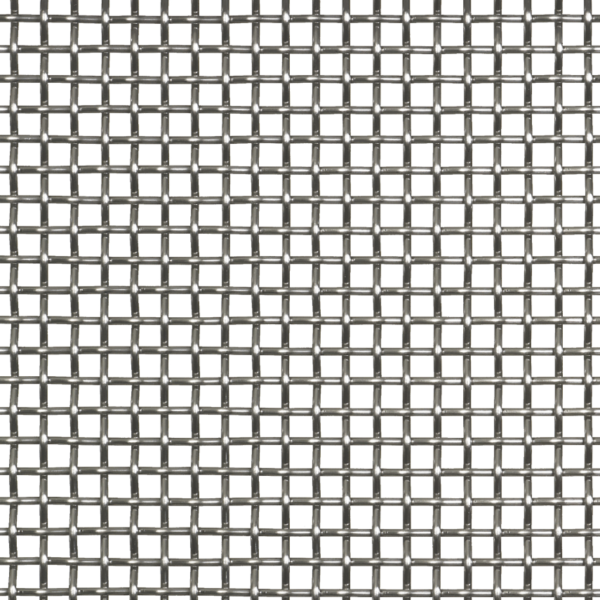
Drahtgewebe in Leinwandbindung ist ein hochleistungsfähiges, präzisionsgewebtes Metallgewebe, das durch das Verflechten hochwertiger Kett- und Schussdrähte aus Edelstahl zu stabilen, gleichmäßigen Maschenstrukturen hergestellt wird. Es ist auch weithin bekannt als Edelstahlgewebe, Edelstahl-Filtertuch oder Edelstahl-Siebgewebe und bietet außergewöhnliche strukturelle Festigkeit, Korrosionsbeständigkeit, Hitzebeständigkeit sowie eine präzise Maschenweitenkontrolle für anspruchsvolle industrielle Anwendungen.
Im Gegensatz zu herkömmlichen Metallgittern werden unsere Edelstahldrahtgewebe unter Verwendung standardisierter Webtechniken und Rohstoffen in Lebensmittel- bzw. Industriequalität hergestellt, wodurch eine gleichbleibende Maschenweite, eine stabile Filtergenauigkeit, eine lange Lebensdauer und eine hohe Anpassungsfähigkeit an raue Betriebsbedingungen gewährleistet sind. Sie sind das zentrale Material für Filter-, Sieb-, Trenn- und Schutzanwendungen in der globalen Fertigungs-, Verarbeitungs- und Maschinenbauindustrie.
-
Polymerfilter
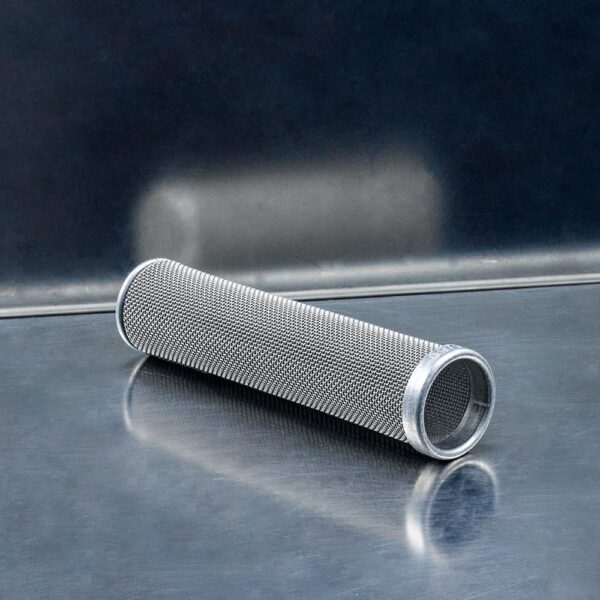
Extrudersiebe und Polymerfilter sind nur zwei Beispiele für die vielfältigen Filterprodukte, die SUNON WIRE CLOTH anbietet. Die Polymer- und Faserverarbeitung erfordert eine breite Palette an Filtern und Filtermedien für die Aufbereitung, Veredelung und das Recycling der Materialien. SUNON WIRE CLOTH verfügt über mehr als 25 Jahre Erfahrung in der Herstellung von Extrudersieben und Siebpaketen für die Polymer- und Faserindustrie. Wir bieten Standard- und Sonderanfertigungen an, die speziell auf die hohen Anforderungen der Branche zugeschnitten sind.
-
Vorgeformte Drahtgeflechtmuster
Raumteiler aus Drahtgeflecht sind die perfekte Lösung für Gestaltungskonzepte, bei denen eine Abtrennung keine vollständige Abschirmung erfordert. Es gibt viele Gründe, einen Raum zu unterteilen: Raumabgrenzung, Atmosphäre, Privatsphäre und vieles mehr. SUNON WIRE CLOTH bietet die einzigartige Möglichkeit, innerhalb eines offenen Bereichs unterschiedliche Zonen zu schaffen, ohne diese vollständig von ihrer Umgebung abzuschirmen.
Mit Mustern, die von vollständig undurchsichtig bis hin zu einer Durchlässigkeit von über 85% reichen, können Raumteiler aus Drahtgeflecht so blickdicht oder so transparent gestaltet werden, wie es der Designer wünscht. Dies kann dazu beitragen, in offenen Räumen wie Restaurants und Cafés ein Gefühl von Intimität zu schaffen.
Die Verwendung von Drahtgeflecht für Auslagen eignet sich gleichermaßen gut, um einen Blickpunkt für Produkte im Einzelhandel zu schaffen. Dank der Vielseitigkeit von Drahtgeflecht können Sie dezente Hintergründe gestalten, die den Fokus auf das vorgestellte Ausstellungsstück lenken, oder auffällige Designs kreieren, die die ausgestellten Artikel hervorheben und aufwerten. Ganz gleich, ob Sie sich für schlichte oder kunstvolle Muster entscheiden – die Struktur, die Tiefe und das Zusammenspiel mit dem Licht des Drahtgeflechts ziehen die Aufmerksamkeit jedes Betrachters auf sich.