Shop

Filter
  • 蒙乃尔

    MONEL® Wire Mesh – Alloy Overview

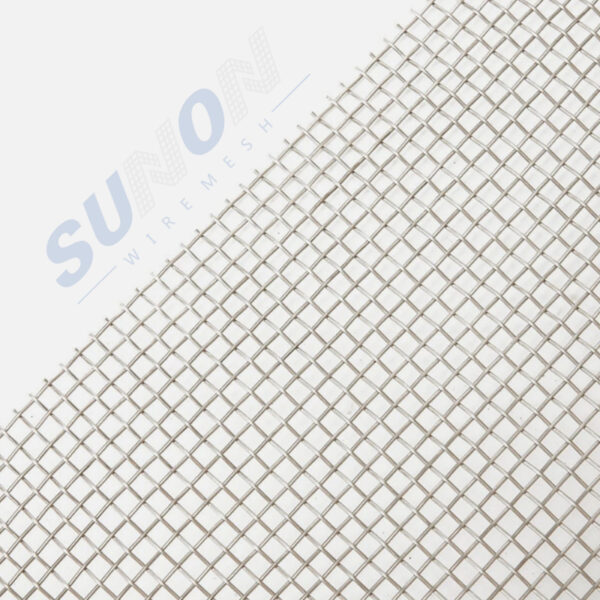
    Monel wire mesh is a nickel-copper alloy that demonstrates good resistance in a wide variety of corrosive environments. The most common Monel alloy used in the wire cloth industry is UNS N04400 Monel alloy 400. Its nominal composition of ~67% nickel and ~31% copper traces its roots back to the early 1900’s when it was first developed by the International Nickel Company in an effort to use the high-copper-content nickel ore found in its Ontario, Canada mines. Monel wire cloth has excellent durability and strength following weaving, making it well suited for use in many industrial and commercial applications. In comparison to copper alloys, Monel wire mesh is more resistant to oxidizing conditions. Versus Nickel 200, Monel wire cloth has greater resistance in reducing environments. As its color and appearance nearly match that of stainless steal, given Monel wire mesh’s higher price point, it is not an alloy of choice for decorative applications. Some characteristics of Monel wire cloth which dictate its wide use are:

    • Solid solution nickel-copper alloy.
    • At or below room temperature, it is somewhat-magnetic when annealed.
    • Above room temperature, it is non-magnetic (depending on composition impurities) when annealed.
    • Withstands outdoor exposure without rusting; great for use in marine and seawater settings.
    • Excellent corrosion resistance in broad range of industrial and chemical settings.
    • Good for use in hydrochloric acid; great for use against pitting & crevice corrosion in chlorides.
    • Excellent for use against chloride stress corrosion cracking.
    • Not to be used in nitric acid.
    • Max operating temperature of ~1000°F.
    • 可以进行切割、成型和焊接。
  • 每个轧花网

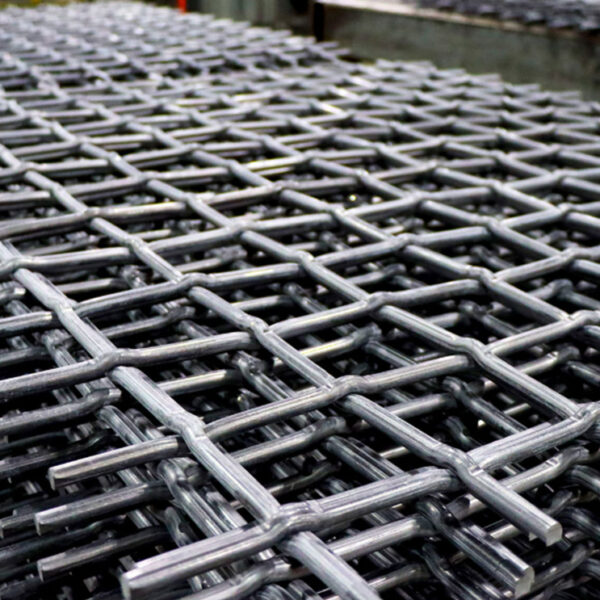
    Pre-crimping wire enables the mesh to lock together, creating a tight weave with good rigidity and pleasing aesthetics. It is used extensively in architectural applications, as infill panels, cages and decoration. It is also used in acoustics, filtration, bridge guards, aerospace parts, rodent control, and truck grills. SUNON manufactures several styles, including double crimped wire mesh, intermediate crimped wire mesh, double intermediate crimped wire mesh, lock crimped wire mesh, and flat top crimped wire mesh.

  • 穿孔板

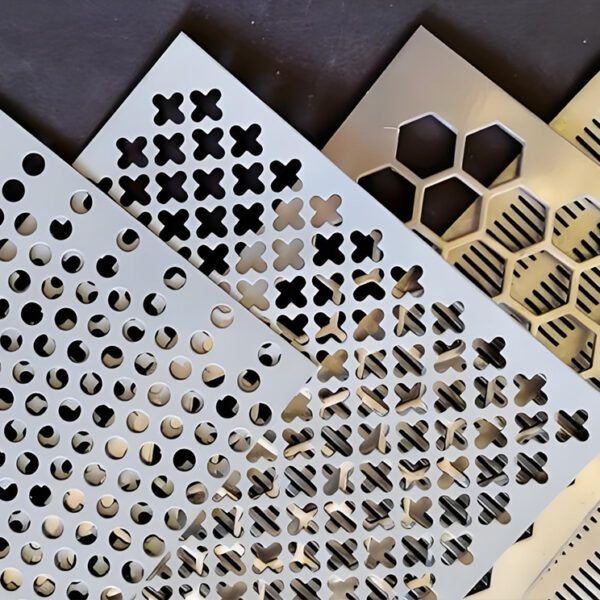
    Perforated metal is manufactured by using punches or presses to create a series of holes, slots, bars, or decorative patterns in sheet metal. In earlier times, these sheets would have to be designed by skilled laborers using manual hand tools, but thanks to advancements in modern technology, perforated sheet metal can be produced using a variety of machining methods. At SUNON, we are rapidly and regularly growing our offerings of perforated materials. We strive to provide our clients with a quality product that meets their constantly evolving needs.

    As our clients’ needs grow, so too does our selection of perforated patterns and materials. In addition to industry standard patterns and sheet sizes, we also offer advanced capabilities.

    Whether your perforated metal needs are simple or complex, our experienced sales and engineering team has the technical expertise to ensure you get the exact product for your application and requirements; you’ll get the ideal product the first time, and each subsequent time you choose SUNON

  • 磷青铜

    90-10 Phosphor Bronze Wire Mesh – Alloy Overview

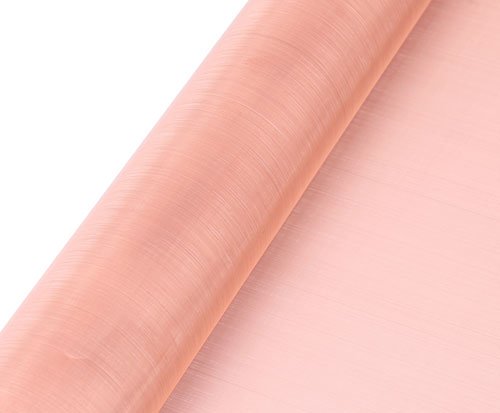
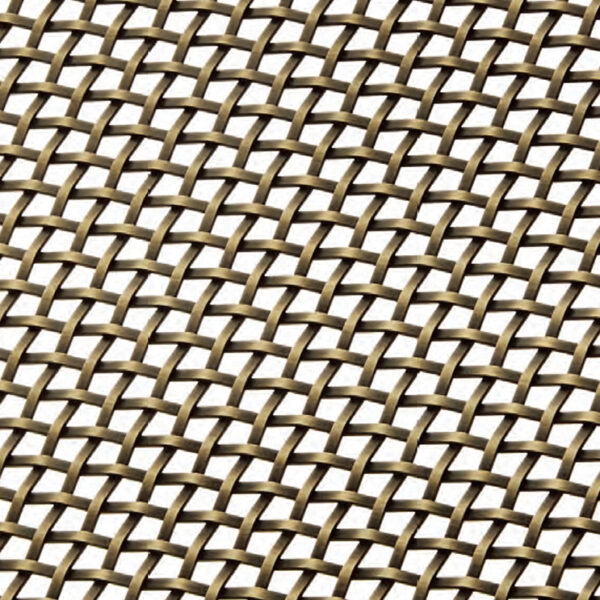
    Phosphor bronze wire mesh (aka C220 bronze wire mesh) is the most extensively used bronze alloy in the industrial wire cloth world. As its common industry name suggests, 90-10 commercial bronze is comprised of 90% copper and 10% zinc, with small additions of lead (0.025%) and iron (0.025%). When compared to copper wire cloth, C220 bonze wire cloth possesses much better abrasion resistance, hardness, and tensile strength; it also exhibits improved corrosion resistance and lower electrical conductivity. As a higher zinc content results in a stronger, more ductile material, 90-10 commercial bronze is weaker and less ductile than other brass wire cloth alloys (i.e. 65-35 yellow brass). In comparison to phosphor bronzes, C220 bronze is a softer material. Some characteristics of 90-10 commercial bronze wire cloth which dictate its wide use are:

    • The most widely used bronze alloy for wire cloth.
    • 所有形态均不具磁性。
    • Rich bronze (i.e. brown-red) in color.
    • 经得起户外日晒雨淋,不会生锈。
    • Superior resistance to atmospheric corrosion vs. brass alloys.
    • 接触氨和其他盐类时会发生腐蚀。
    • Good thermal and electrical conductivity.
    • 抗菌。
    • Can be cut, formed.
  • 普通钢

    Plain Steel Wire Mesh – Alloy Overview

    Plain Steel Wire Mesh is the most common plain steel alloy used in manufacturing industrial wire cloth screens due to its tensile strength and high impact resistance. Primarily comprised of iron, low carbon grades 1005, 1006, and 1008 are the most frequently used, and contain small percentages of carbon (0.0-0.1%), manganese (0.0-0.5% – which increases its strength), phosphorous (0.0-0.04%), and sulfur (0.0-0.05%). Low abrasion resistance and low corrosion resistance may limit usage in certain applications, however a wide variety of special protective coatings may be applied to improve resistance. Galvanizing (before or after) is the most economical way to protect against corrosion. Alternatively, a protective tin coating is often used on mud grade screens (tinned mill). In addition, steel wire cloth can be protected with epoxy coatings, PVC/vinyl coatings, and our electrostatic application of powder coating. Some characteristics of low carbon steel wire cloth which dictate its wide use are:

    • Low carbon plain steel alloy.
    • Relatively low cost and high strength material.
    • Magnetic in all conditions.
    • Not corrosion resistant; rusts in most atmospheric environments.
    • Protective coatings can be applied to improve resistance.
    • 可以进行切割、成型和焊接。
  • 平纹金属丝网 | 高品质编织过滤网及工业用网

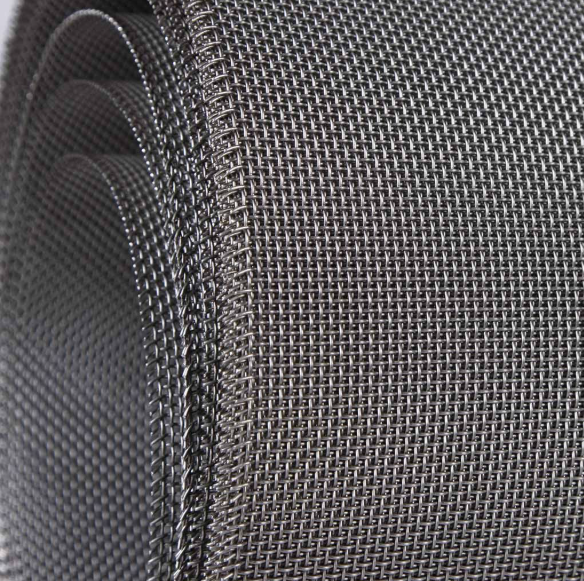
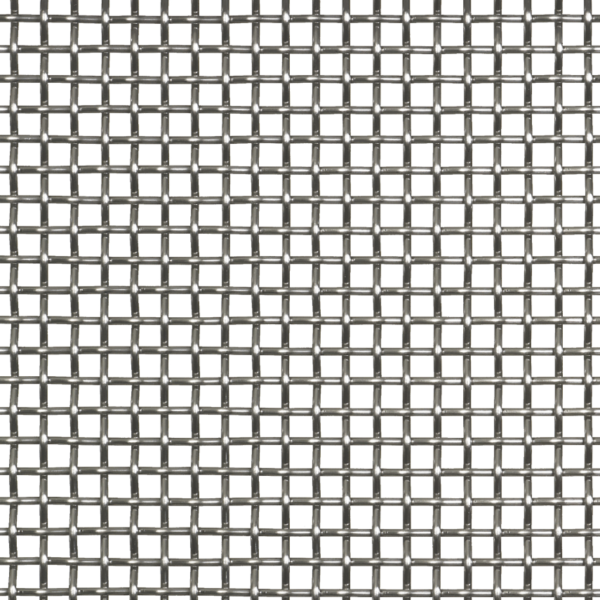
    Plain Weave Wire Cloth is a high-performance precision woven metal fabric, manufactured by interlacing premium stainless steel warp and weft wires into stable, uniform mesh structures. Also widely known as stainless steel woven mesh, stainless steel filter cloth, or stainless steel sieve cloth, it delivers exceptional structural strength, corrosion resistance, heat resistance, and precise aperture control for heavy-duty industrial applications.

    Unlike ordinary metal meshes, our stainless steel wire cloth adopts standardized weaving technology and food/industrial-grade raw materials, ensuring consistent opening size, stable filtration accuracy, long service life, and strong adaptability to harsh working environments. It is the core filtering, sieving, separating, and protecting material for global manufacturing, processing, and engineering industries

  • 聚合物过滤器

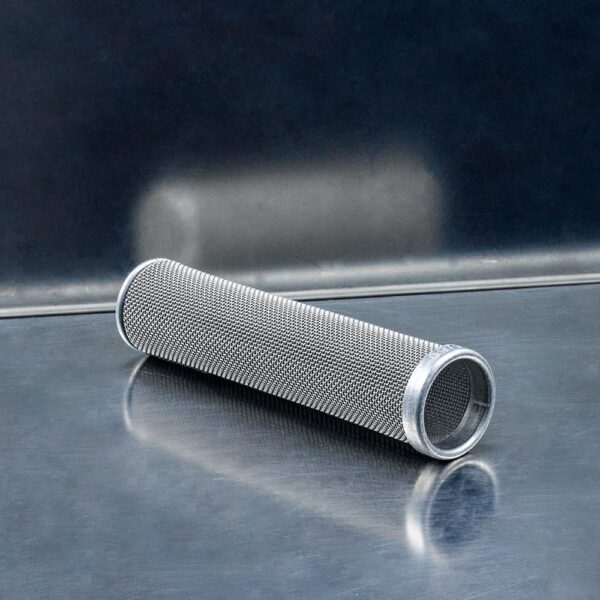
    Extruder screens and polymer filters are just two of the varieties of filtration products offered by SUNON WIRE CLOTH. Polymer and fiber processing requires a wide range of filters and filter media for processing, finishing and recycling the materials. SUNON WIRE CLOTH has over 25 years experience in manufacturing extruder screens and screen packs for the polymer and fiber industries. We offer standard and custom products, designed to meet the demanding requirements of the industry.

  • 预压接金属网图案

    金属网隔断是那些无需完全隔绝但需要划分空间的设计的理想解决方案。划分空间的原因有很多:界定区域、营造氛围、保障隐私等等。SUNON WIRE CLOTH 具备独特的功能,可在开放区域内划分出独立区域,同时无需将其与周围环境完全隔绝。

    金属网隔断的图案设计从完全不透明到透光率超过85%不等,其遮挡程度或通透性均可根据设计师的需求进行调整。这有助于在餐厅和咖啡馆等开放式空间中营造出私密感。

    在陈列中使用金属网同样有助于为零售商品划定视觉焦点区域。凭借金属网的多功能性,您可以打造低调的背景,将焦点集中在主打展品上;也可以设计大胆的造型,从而突出并提升展品的视觉效果。 无论您选择简约还是繁复的图案,金属网的质感、层次感以及与光线的互动效果,都将吸引每一位观者的目光。
Product

产品查询

滚动至顶部