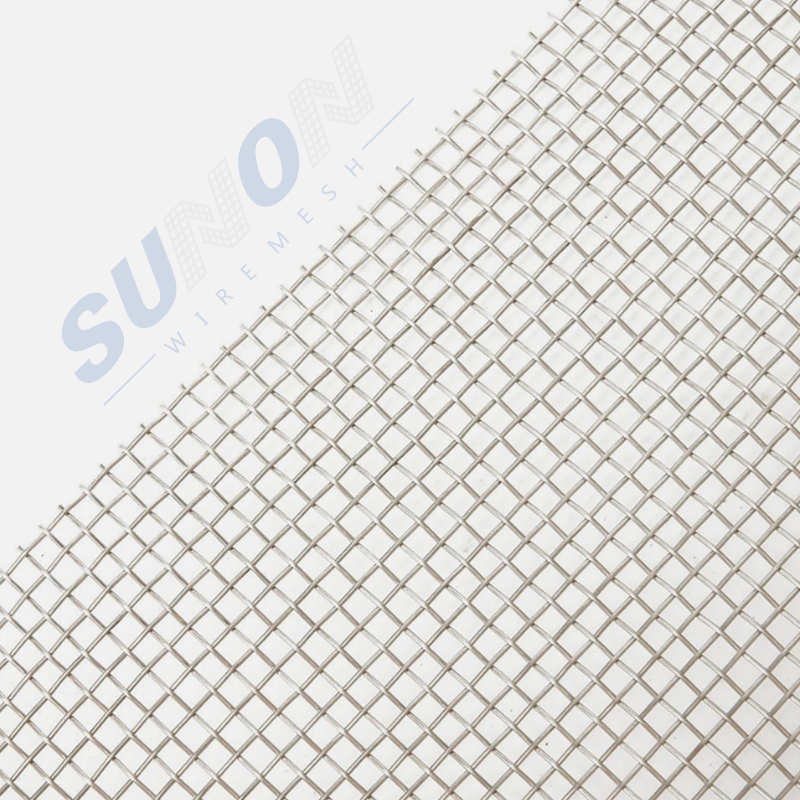
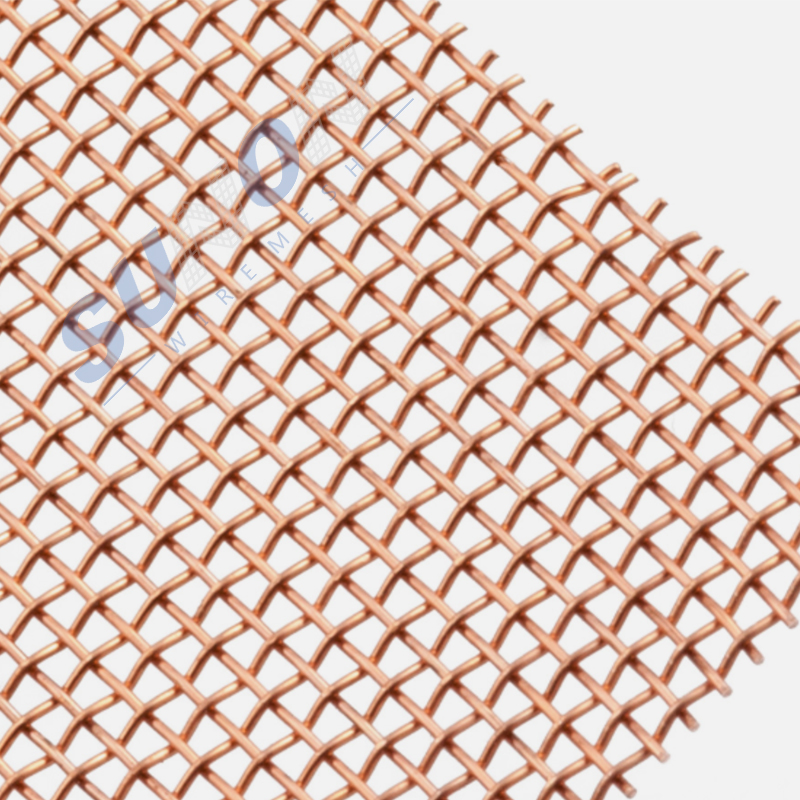
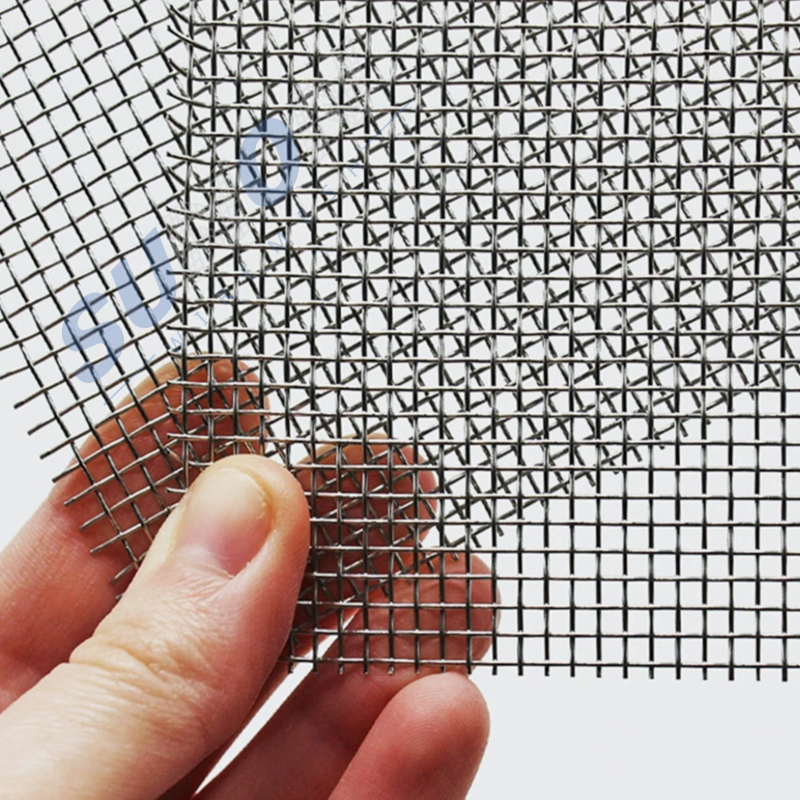
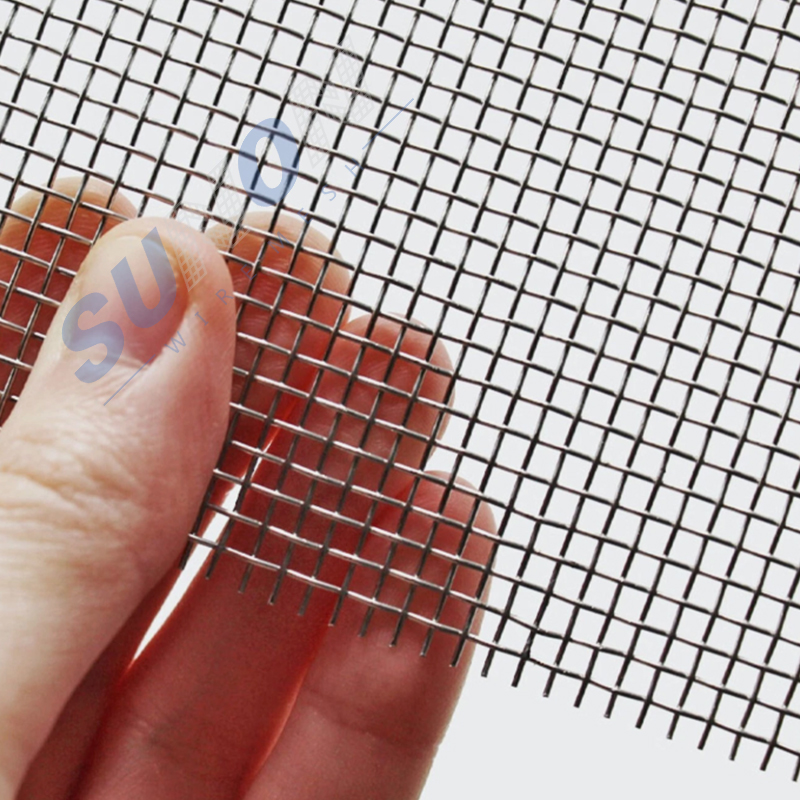


产品的主要优势
✅ 卓越的耐腐蚀和防锈性能
我们的金属丝网采用奥氏体不锈钢合金制成,在酸性、碱性、潮湿、盐雾以及温和的化学环境中表现优异。它能有效防止生锈、氧化和材料劣化,在长期户外或室内腐蚀性环境中使用时仍能保持稳定的性能。
✅ 精确的过滤与筛分精度
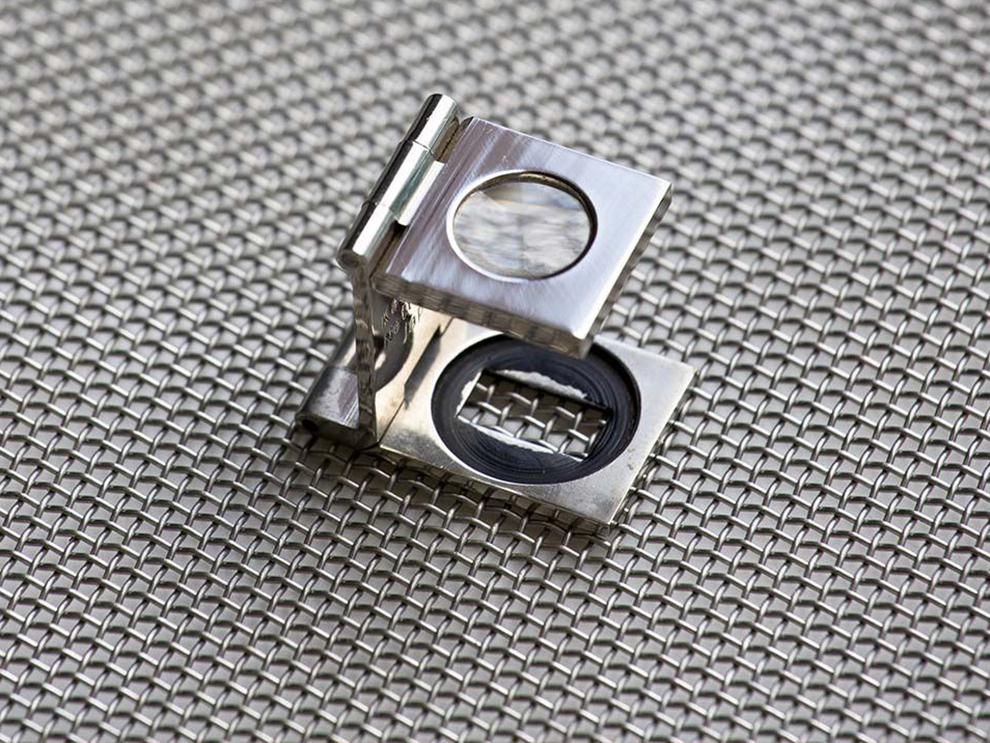
标准化的编织工艺确保了网孔尺寸均匀、公差控制稳定,以及可靠的颗粒截留、分级和液/气过滤效果。完全满足工业、食品、制药及实验室领域的精密筛分要求。
✅ 耐高温、耐磨损
能够承受持续的高温工作环境,在保持结构完整性的同时不会发生变形,并在频繁的物料冲击、摩擦和反复清洗的情况下展现出卓越的耐磨性。
✅ 结构稳定性强且抗拉强度高
高强度不锈钢丝与紧密交织的结构,可防止在承受压力、冲击和振动载荷时发生撕裂、拉伸和网眼变形,适用于高负荷的工业生产线。
✅ 广泛兼容性与易于加工
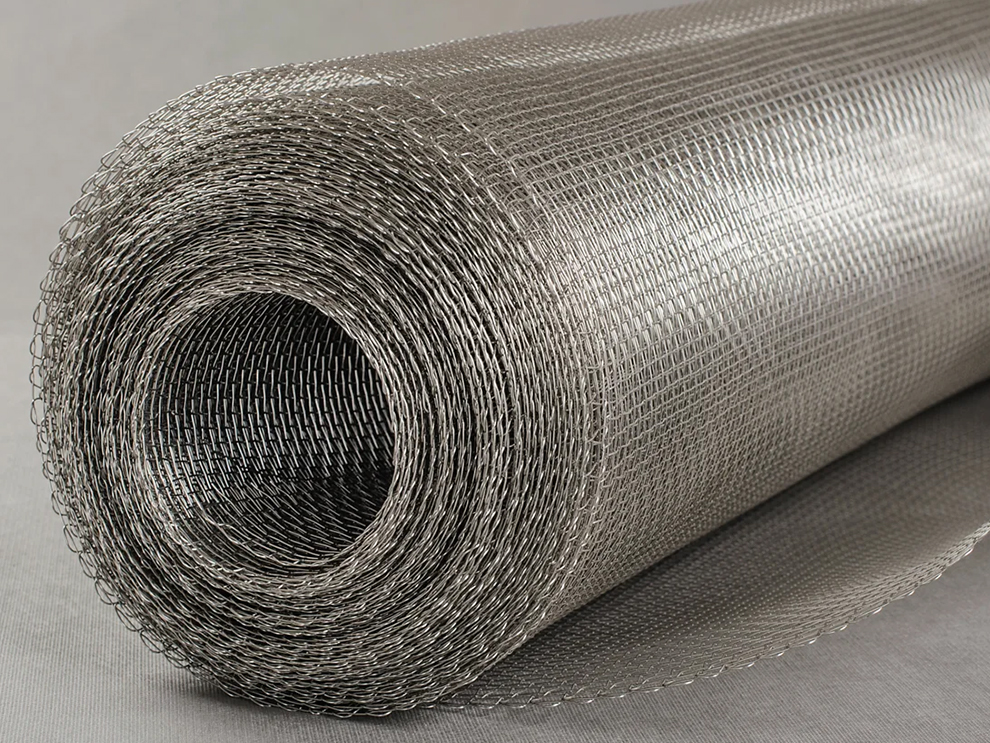
支持切割、弯曲、边缘包边、焊接、冲压和框架安装。可根据多样化的设备需求,定制成板材、卷材、圆盘、管材、滤芯及成品部件。
✅ 食品级及工业级安全材料
符合国际材料和卫生标准,无毒、无味,且无杂质沉淀。已通过严格验证,适用于食品加工、饮料过滤、制药及饮用水处理等领域。
✅ 库存情况与定制支持
常备全系列标准规格库存,确保快速交货;可接受OEM/ODM定制,包括材质、网目数、丝径、尺寸、编织方式及边缘处理。
可用材料
我们提供全系列的不锈钢丝网,以满足不同的环境和预算需求:
- AISI 304 / SS304
通用型标准等级,性价比高,非常适合中性环境、空气过滤、水过滤、工业防护以及日常工业应用。 - AISI 304L / SS304L
低碳304变种,提高了抗晶间腐蚀性能,适用于焊接部件和轻度腐蚀性工作环境。 - AISI 316 / SS316
添加钼的等级,具有增强的耐盐、耐氯化物和耐化学腐蚀性能,专为海洋、沿海、化工及高湿度等恶劣环境设计。 - AISI 316L / SS316L
超低碳316变体,具有极佳的耐腐蚀性,非常适合制药、精细化工、食品卫生以及高腐蚀性精密过滤场合。
编织类型
我们的不锈钢丝网涵盖所有主流工业编织结构,可根据不同的精度和流量需求进行定制:
- 平纹钢丝布
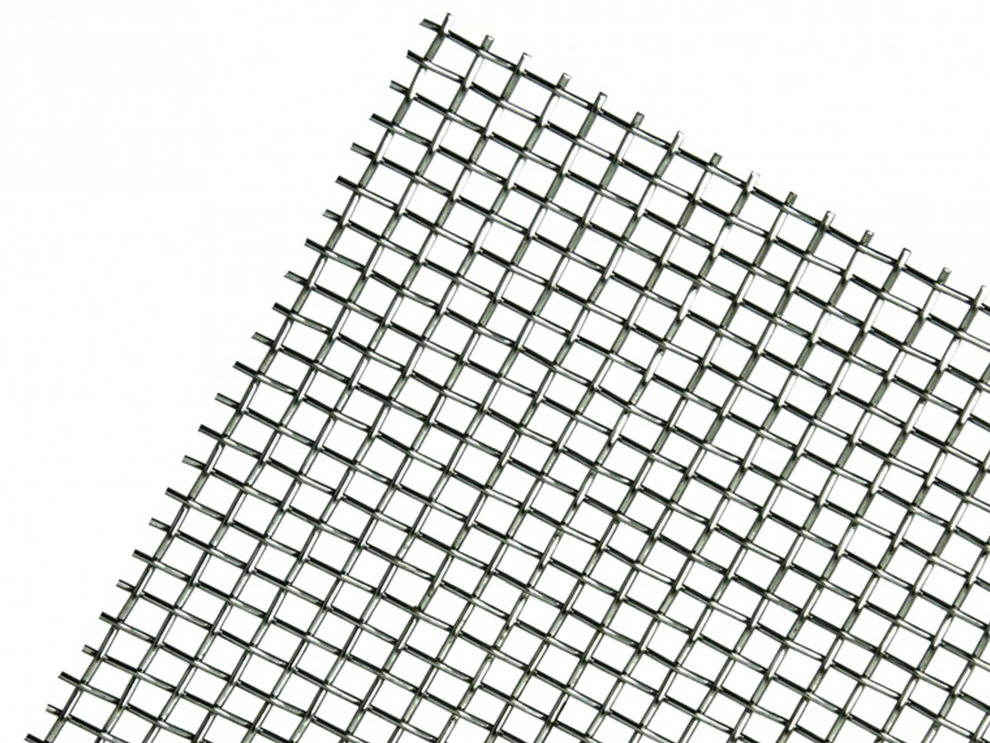
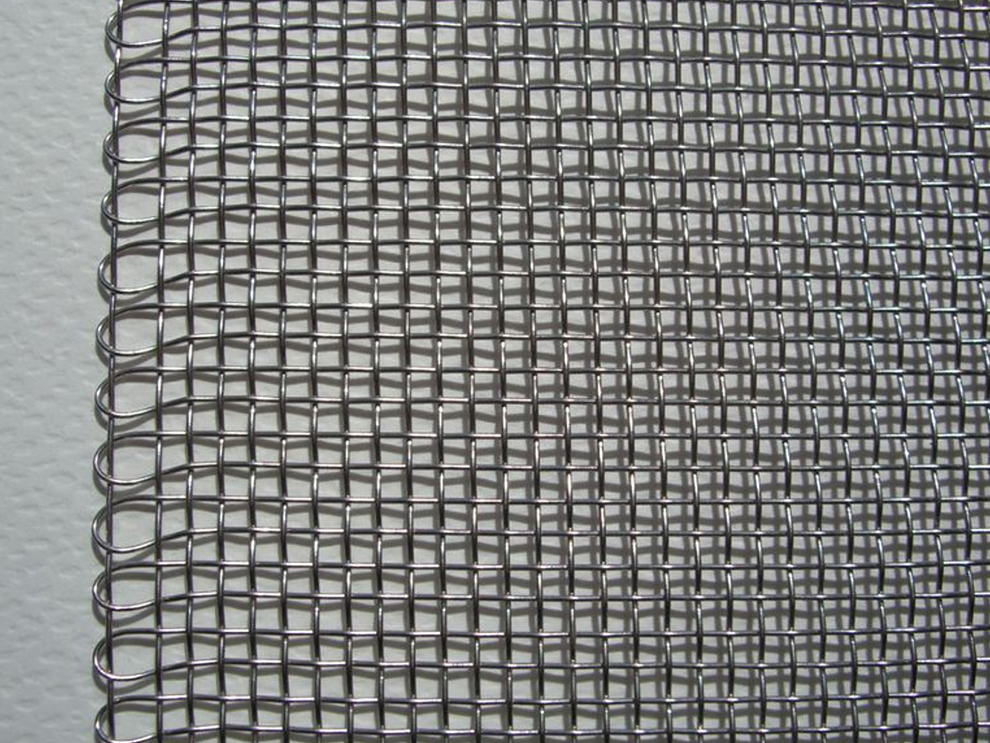
这是最标准且应用最广泛的结构,经丝和纬丝交替编织。其特点是网眼均匀呈方形,刚性良好,易于清洁,适用于一般的筛分、过滤、防护和通风。
- 斜纹编织金属丝网
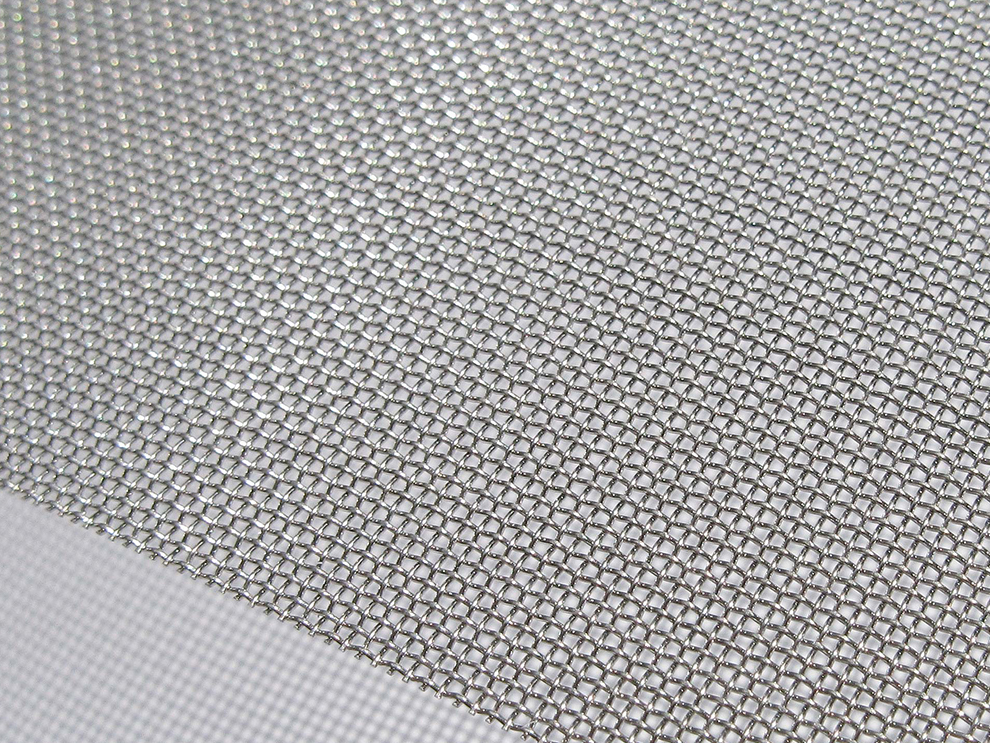
丝线按顺序在多股丝线上交叉编织,网目数高于平纹编织,过滤精度更高。具有更高的密度和强度,适用于中细级液体过滤和颗粒分级。
- 平纹编织
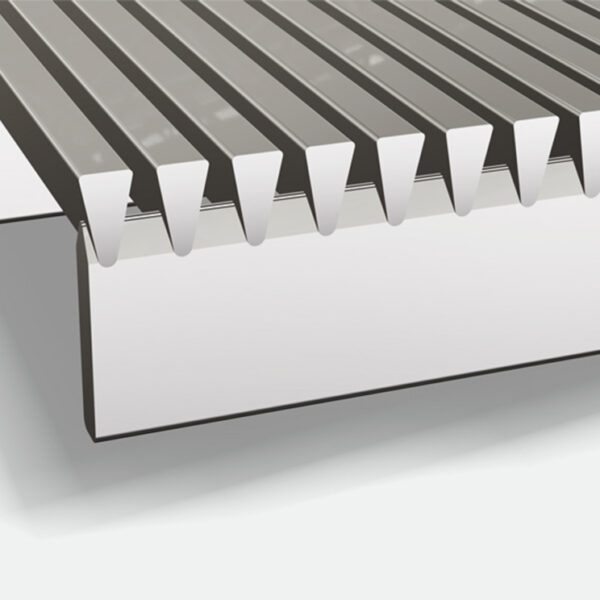
粗经丝+细纬丝,楔形孔隙密集,具有出色的污物容纳能力和反冲洗性能。专业用于液体过滤、除油、聚合物过滤以及细微杂质的拦截。
- 反向荷兰编织法 / 斜纹荷兰编织法
高精度密织结构,可实现微米级超精细过滤。适用于高精度化工、制药及水处理过滤系统。
典型产品规格
规格项目 | 标准范围 |
材料 | 304、304L、316、316L 不锈钢 |
编织类型 | 平纹、斜纹、荷兰平纹、荷兰斜纹、反荷兰纹 |
网目数 | 1目 – 500目(可提供定制超细网目) |
导线直径 | 0.05毫米 – 3.0毫米 |
开口尺寸 | 从微米级细孔到大颗粒筛孔 |
卷宽 | 1米、1.2米、1.5米、2米、定制宽度 |
卷长 | 10米、30米、50米、100米、定制长度 |
边缘处理 | 切边、锁边、焊边、包边 |
表面处理 | 光亮、钝化、酸洗、哑光 |
注: 针对非标准的网目数、丝径、尺寸、形状和组装方式,可提供完整的定制化解决方案。 |
标准与质量合规
我们的不锈钢丝网严格按照国际行业标准生产,确保批次稳定性及出口级品质:
- ASTM A580 不锈钢线标准
- ISO 9001 质量管理体系
- 食品和饮料应用中的食品级卫生合规要求
- 对网孔尺寸和丝径进行一致的公差控制
- 对织物密度、抗拉强度和耐腐蚀性进行全面工厂检测
- 支持第三方检验、材料认证和工厂审核
广泛的应用领域
- 过滤与分离
- 液体过滤:水处理、油过滤、化学溶剂过滤、饮料过滤
- 气体过滤:空气净化、除尘、工业废气过滤
- 精细过滤:医药原料液、树脂、油墨、涂料、聚合物过滤
- 筛分与分级
- 采矿与矿石颗粒分级
- 食品粉、谷物、糖、盐的筛分
- 塑料颗粒、化工原料、颜料分类
- 实验室测试筛与精密颗粒分析
- 食品与饮料行业
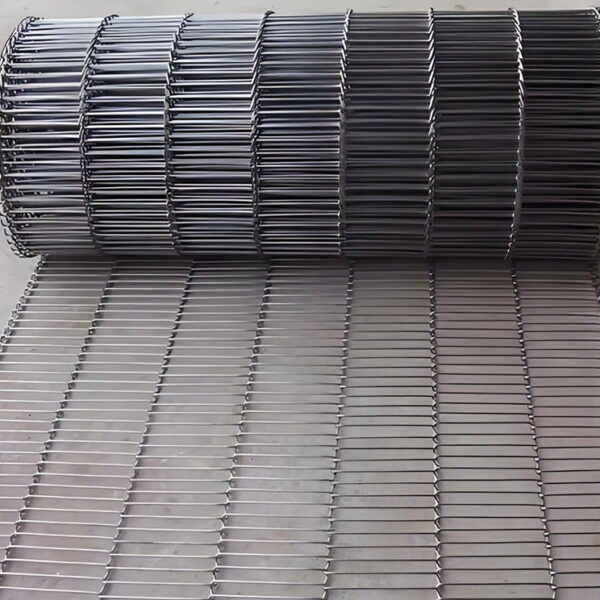
- 食品烘焙、干燥和输送用网
- 果汁、葡萄酒、食用油的过滤
- 食品加工中的安全隔离与防护
- 卫生级输送和筛分组件
- 制药与化工行业
- 医药原料的过滤与纯化
- 化学原料筛选与杂质去除
- 腐蚀性介质隔离装置和过滤元件
- 洁净室防护与通风网
- 建筑与工业防护
- 门窗防虫、防盗及通风纱窗
- 机械安全护罩、散热器防护罩
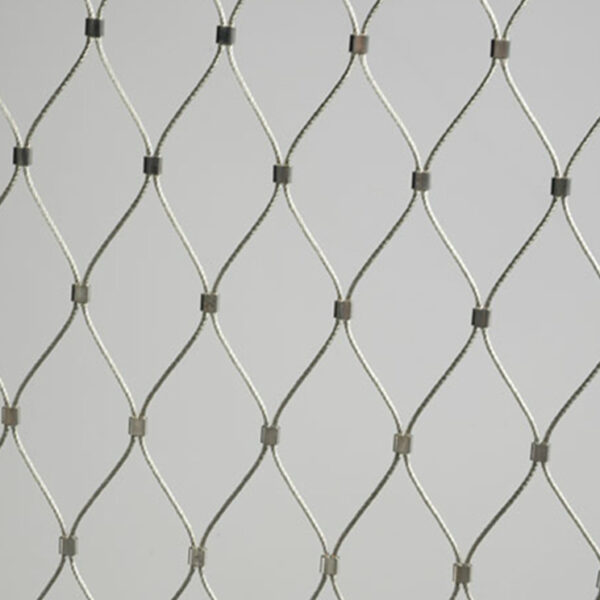
- 建筑加固网、隔振网、装饰金属网
- 害虫防治、动物养殖和设施保护
- 石油化工与船舶工程
- 油田过滤、海水淡化预过滤
- 沿海和海洋设备用耐腐蚀网
- 管道过滤、脱硫和脱硝系统
- 高腐蚀性工业设施的防护
- 电子与制造
- 电池电极网、导电网部件
- 高温炉用输送和隔热网
- 精密设备防尘散热网
- 工业自动化筛分与输送配件
为什么选择我们的不锈钢丝网?
🔹 专业的制造实力
专业金属丝网制造商,拥有成熟的生产线、齐全的编织设备以及严格的质量控制,确保稳定的批量生产和一致的产品性能。
🔹 优质原料保证
仅选用来自合格大型钢厂的高标准不锈钢线材,严格控制材料成分,并剔除劣质再生材料,以确保真正的合金性能。
🔹 全面定制能力
支持对材质、网眼、尺寸、形状、边缘处理及成品组装进行定制,为标准库存产品和特殊定制需求提供一站式解决方案。
🔹 快速且可靠的配送
保持充足的标准304/316不锈钢丝网卷材和板材库存,从而缩短大批量订单和小批量试购的交货周期。
🔹 极具竞争力的工厂直供价
省去中间商利润,为批发、大宗采购及长期OEM合作提供高性价比的报价。
🔹 全球出口与售后服务支持
专业的出口包装、齐全的文件资料以及响应迅速的技术支持,为全球买家解决产品选型、安装和应用方面的问题。
如何选择合适的不锈钢丝网
为了确定最合适的产品,请提供以下信息:
- 所需材料:304 / 304L / 316 / 316L
- 应用场景:过滤、筛分、防护、输送等。
- 网目数或网孔尺寸要求
- 对线径的偏好
- 织法:平纹/斜纹/荷兰纹
- 产品形态:卷材/片材/圆片/成品滤芯部件
- 尺寸:宽度、长度、数量
- 特殊要求:耐高温、耐腐蚀、食品级、定制形状
我们的技术团队将在24小时内提供准确的规格建议和正式报价。
产品常见问题解答
问题1:不锈钢丝网与金属丝网有什么区别?
答:在工业应用中, 不锈钢丝网 通常指孔径均匀的精密编织金属网,主要用于过滤和筛分。不锈钢丝网是一个更广泛的术语,包括编织、焊接和拉伸金属制品。我们的核心产品是用于专业工业用途的高精度编织不锈钢丝网。
问题2:304不锈钢丝网和316不锈钢丝网,哪一种更好?
答:304 钢在一般中性环境下具有较高的成本效益;316/316L 钢具有优异的抗氯化物、盐分和化学腐蚀性能,非常适合海洋、沿海及苛刻的化工环境。
问题3:你们能提供小批量试单吗?
A:是的。我们支持为产品测试和项目验证而进行的小批量样品和试单订购,并为全球买家提供灵活的最低起订量(MOQ)。
问题4:你们能生产定制尺寸的片材和卷材吗?
答:当然可以。我们提供定制的切割、分条和定长切割服务,并可加工过滤盘、滤网框架和滤芯等成品部件。
问题5:有哪些边缘处理方式可供选择?
A:标准选项:毛边、锁边、焊接边、布包边、金属包边,以防止线材松动和产生毛刺。
问题6:该产品是否符合食品安全标准?
答:我们的304/316L食品级不锈钢丝网符合食品加工卫生要求,适用于与食品直接接触的场合。
行动号召
立即获取您的定制不锈钢丝网解决方案
无论您需要标准库存编织金属丝网、高精度过滤金属丝网、食品级316L金属丝网,还是完全定制的工业网件,我们都能为全球B2B采购商提供专业、稳定且性价比高的产品。
联系我们,了解:
- 免费产品规格咨询
- 准确的报价和交货期确认
- 定制样品生产
- OEM/ODM 大宗合作
- 技术过滤与筛分解决方案