-
Monelo
MONEL® Wire Mesh – Alloy Overview
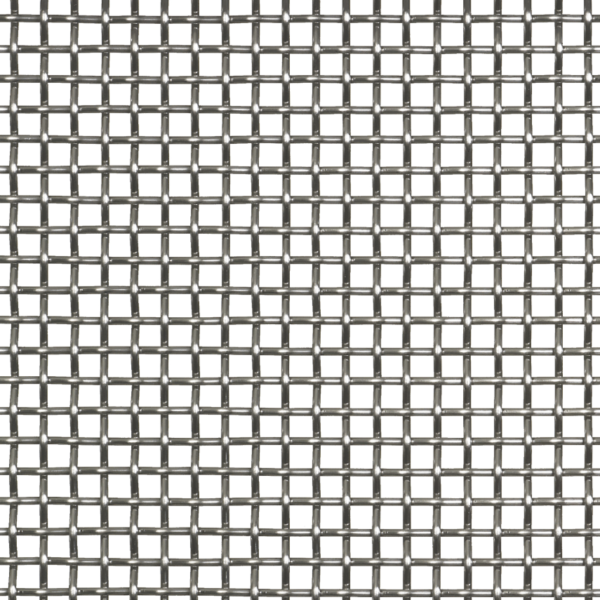
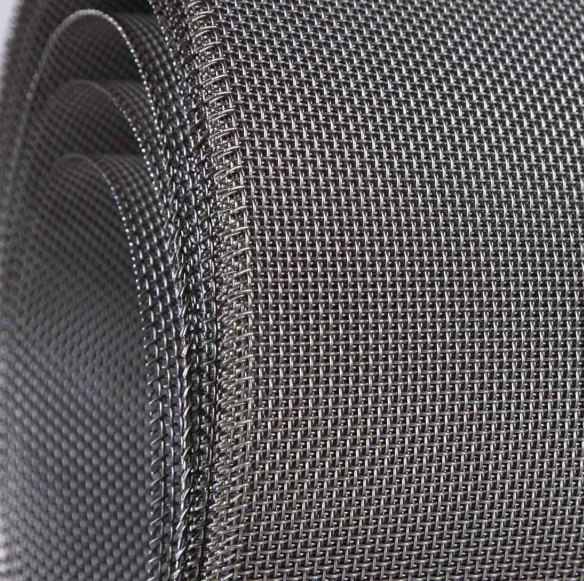
Monel wire mesh is a nickel-copper alloy that demonstrates good resistance in a wide variety of corrosive environments. The most common Monel alloy used in the wire cloth industry is UNS N04400 Monel alloy 400. Its nominal composition of ~67% nickel and ~31% copper traces its roots back to the early 1900’s when it was first developed by the International Nickel Company in an effort to use the high-copper-content nickel ore found in its Ontario, Canada mines. Monel wire cloth has excellent durability and strength following weaving, making it well suited for use in many industrial and commercial applications. In comparison to copper alloys, Monel wire mesh is more resistant to oxidizing conditions. Versus Nickel 200, Monel wire cloth has greater resistance in reducing environments. As its color and appearance nearly match that of stainless steal, given Monel wire mesh’s higher price point, it is not an alloy of choice for decorative applications. Some characteristics of Monel wire cloth which dictate its wide use are:
- Solid solution nickel-copper alloy.
- At or below room temperature, it is somewhat-magnetic when annealed.
- Above room temperature, it is non-magnetic (depending on composition impurities) when annealed.
- Withstands outdoor exposure without rusting; great for use in marine and seawater settings.
- Excellent corrosion resistance in broad range of industrial and chemical settings.
- Good for use in hydrochloric acid; great for use against pitting & crevice corrosion in chlorides.
- Excellent for use against chloride stress corrosion cracking.
- Not to be used in nitric acid.
- Max operating temperature of ~1000°F.
- Povas esti tranĉita, formita kaj veldita.
-
Per krimpita maŝo
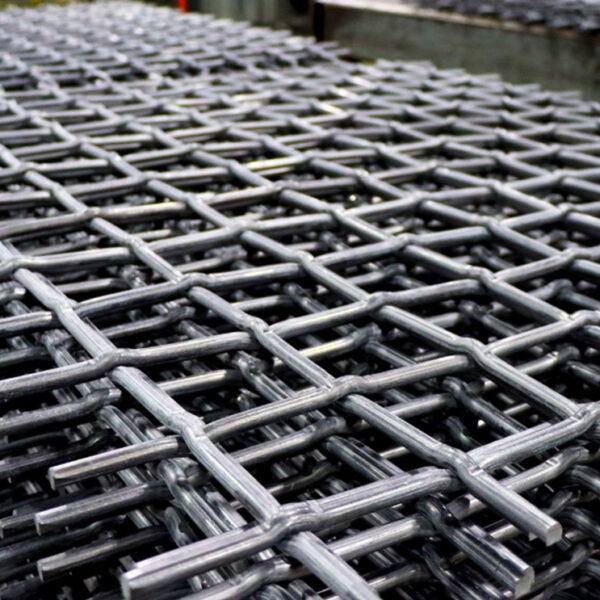
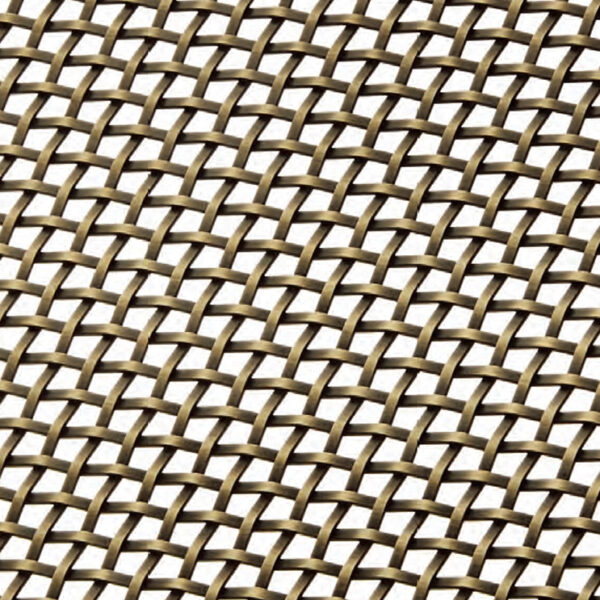
Antaŭkrimpita drato ebligas, ke la maŝo interŝlosiĝu, kreante densan teksaĵon kun bona rigideco kaj plaĉa estetiko. Ĝi estas vaste uzata en arkitekturaj aplikoj, kiel plenigaj paneloj, kaĝoj kaj dekoracio. Ĝi estas ankaŭ uzata en akustiko, filtrado, pontogardiloj, aerospacaj partoj, kontrolo de ronĝuloj, kaj kamionaj kradoj. SUNON fabrikas plurajn stilojn, inkluzive de duoble krimpita dratrama maŝo, interkrimpita dratrama maŝo, duoble interkrimpita dratrama maŝo, ŝloskrimpita dratrama maŝo, kaj plat-supr-krimpita dratrama maŝo.
-
Perforita folio
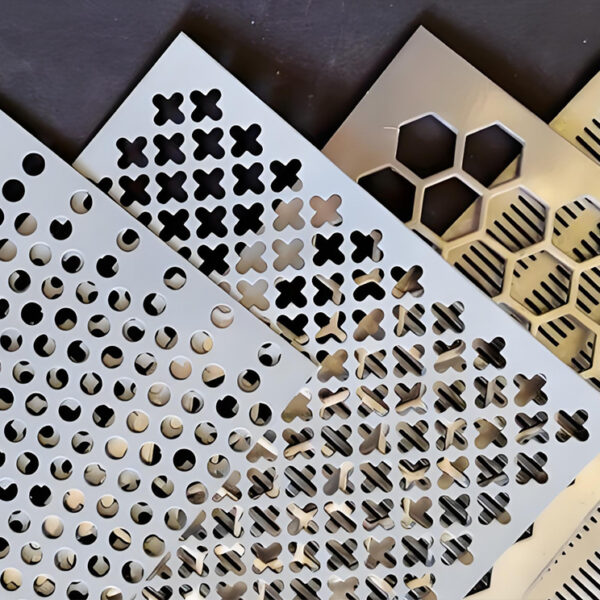
Perforated metal is manufactured by using punches or presses to create a series of holes, slots, bars, or decorative patterns in sheet metal. In earlier times, these sheets would have to be designed by skilled laborers using manual hand tools, but thanks to advancements in modern technology, perforated sheet metal can be produced using a variety of machining methods. At SUNON, we are rapidly and regularly growing our offerings of perforated materials. We strive to provide our clients with a quality product that meets their constantly evolving needs.
As our clients’ needs grow, so too does our selection of perforated patterns and materials. In addition to industry standard patterns and sheet sizes, we also offer advanced capabilities.
Whether your perforated metal needs are simple or complex, our experienced sales and engineering team has the technical expertise to ensure you get the exact product for your application and requirements; you’ll get the ideal product the first time, and each subsequent time you choose SUNON
-
Fosforbronz
90-10 fosfor-bronzeca drata krado – superrigardo de la alojo
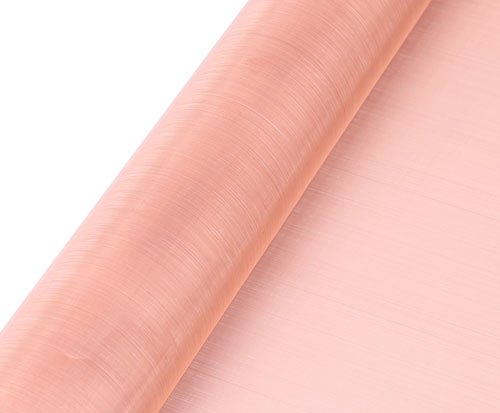
Fosforbronzeca dratkrado (ankaŭ konata kiel C220-bronzeca dratkrado) estas la plej vaste uzata bronzalligaĵo en la industrio de dratkradoj. Kiel ĝia komuna industria nomo sugestas, komerca bronzo 90-10 konsistas el 90 % kupro kaj 10 % zinko, kun malgrandaj aldonoj de plumbo (0,025 %) kaj fero (0,025 %). Kompare kun kupra dratotolo, C220-bronzdratotolo posedas multe pli bonan abrazian reziston, malmolecon kaj tensilan forton; ĝi ankaŭ montras plibonigitan korodan reziston kaj pli malaltan elektran konduktivecon. Ĉar pli alta zinka enhavo rezultigas pli fortan, pli duktilan materialon, la komerca bronzo 90-10 estas pli malforta kaj malpli duktila ol aliaj latunaj drataj tolaĵaj alojoj (t.e. 65-35 flava latuno). Kompare kun fosforaj bronzoj, la bronzo C220 estas pli mola materialo. Kelkaj karakterizaĵoj de la komerca brona dratramaĵo 90-10, kiuj diktas ĝian vastan uzon, estas:
- La plej vaste uzata bronza alojo por dratotegaĵo.
- Nemagneta en ĉiuj formoj.
- Riĉa bronza (t.e. brungriza) koloro.
- Eltenas eksteran eksponiĝon sen rustiĝi.
- Supera rezisto al atmosfera korodo kompare kun latunaj alojoj.
- Korodiĝas kiam eksponita al amoniako kaj aliaj saloj.
- Bona termika kaj elektra konduktiveco.
- Kontraŭmikroba.
- Povas esti tranĉita, formita.
-
Simpla ŝtalo
Simpla ŝtaldrata krado – superrigardo de alojoj
Plata ŝtala dratrama maŝo estas la plej ofta plata ŝtala alojo uzata en la fabrikado de industriaj dratramaĵaj kribriloj pro sia tensia forto kaj alta rezisto al frapoj. Ĉefe konsistantaj el fero, la malaltkarbonaj gradoj 1005, 1006 kaj 1008 estas la plej ofte uzataj, kaj enhavas malgrandajn procentojn da karbono (0,0–0,11 %), mangano (0,0–0,51 %) – kio pliigas ĝian fortecon), fosforo (0,0–0,04%), kaj sulfuro (0,0–0,05%). Malalta abrazia rezisto kaj malalta koroda rezisto povas limigi uzon en certaj aplikoj, tamen vasta gamo da specialaj protektaj tegaĵoj povas esti aplikita por plibonigi la reziston. Galvanizado (antaŭe aŭ poste) estas la plej ekonomia maniero protekti kontraŭ korodo. Alternative, protekta stana tegaĵo ofte estas uzata sur ŝmiraj kribriloj (stancita en la mulino). Krome, ŝtalofadena tolo povas esti protektita per epoksiaj tegaĵoj, PVC/vinilaj tegaĵoj, kaj nia elektrostata aplikado de pulvora tegaĵo. Kelkaj karakterizaĵoj de malaltkarbona ŝtalofadena tolo, kiuj diktas ĝian vastan uzon, estas:
- Malaltkarbona simpla ŝtala alojo.
- Materialo kun relative malalta kosto kaj alta forteco.
- Magneta en ĉiuj kondiĉoj.
- Ne korodorezista; rustiĝas en plej multaj atmosferaj medioj.
- Protektaj tegaĵoj povas esti aplikataj por plibonigi reziston.
- Povas esti tranĉita, formita kaj veldita.
-
Simpla teksa dratotuko | Superkvalita teksita filtrilo kaj industria reto
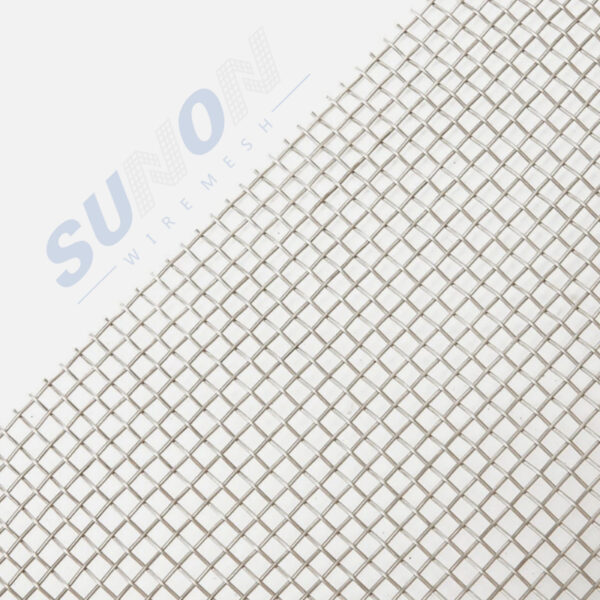
Plain Weave Wire Cloth is a high-performance precision woven metal fabric, manufactured by interlacing premium stainless steel warp and weft wires into stable, uniform mesh structures. Also widely known as stainless steel woven mesh, stainless steel filter cloth, or stainless steel sieve cloth, it delivers exceptional structural strength, corrosion resistance, heat resistance, and precise aperture control for heavy-duty industrial applications.
Unlike ordinary metal meshes, our stainless steel wire cloth adopts standardized weaving technology and food/industrial-grade raw materials, ensuring consistent opening size, stable filtration accuracy, long service life, and strong adaptability to harsh working environments. It is the core filtering, sieving, separating, and protecting material for global manufacturing, processing, and engineering industries
-
polimera filtrilo
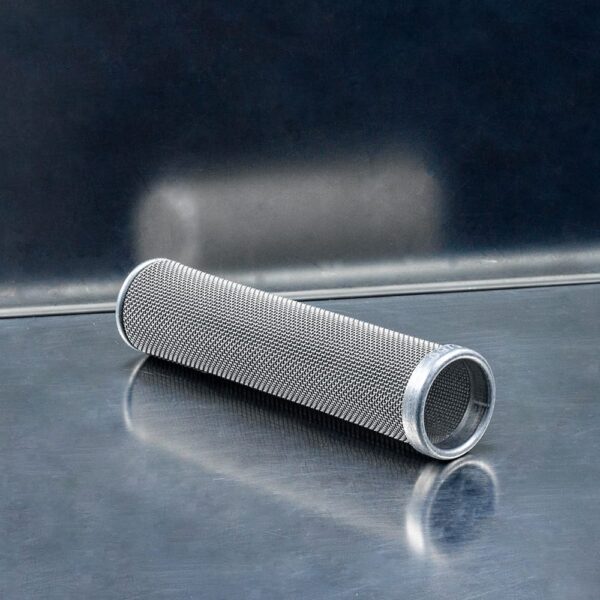
Extruder screens and polymer filters are just two of the varieties of filtration products offered by SUNON WIRE CLOTH. Polymer and fiber processing requires a wide range of filters and filter media for processing, finishing and recycling the materials. SUNON WIRE CLOTH has over 25 years experience in manufacturing extruder screens and screen packs for the polymer and fiber industries. We offer standard and custom products, designed to meet the demanding requirements of the industry.
-
Antaŭkrimpitaj ŝablonoj de dratkrado
Wire mesh space dividers are the perfect solution for designs where separation does not demand seclusion. There are many reasons to partition a space: room definition, ambiance, privacy, and more. SUNON WIRE CLOTH offers the unique ability to establish distinct zones within an open area without the need to completely close them off from their surroundings.
With patterns ranging from fully opaque to over 85% open, wire mesh space dividers can be as obstructing or as transparent as the designer requires. This can help provide a sense of intimacy in open rooms like restaurants and cafes.
Using wire mesh for displays is equally useful for defining an area of focus for retail products. With the versatility of wire mesh, you can create subtle backdrops that put the focus on the featured display piece or create bold designs that will accentuate and enhance the items on display. Whether you choose simple or ornate patterns, the texture, depth, and light interaction of wire mesh will draw the attention of anyone who sees it.