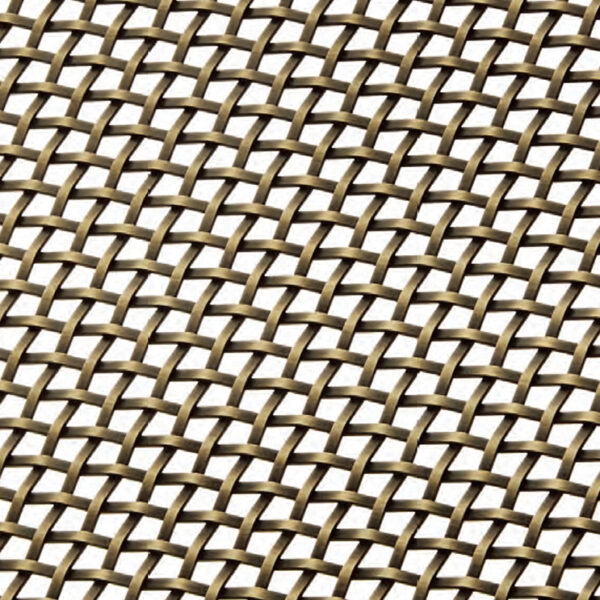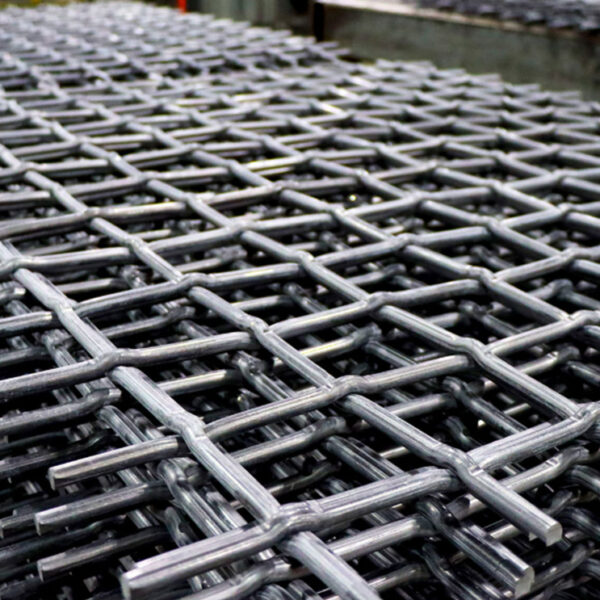
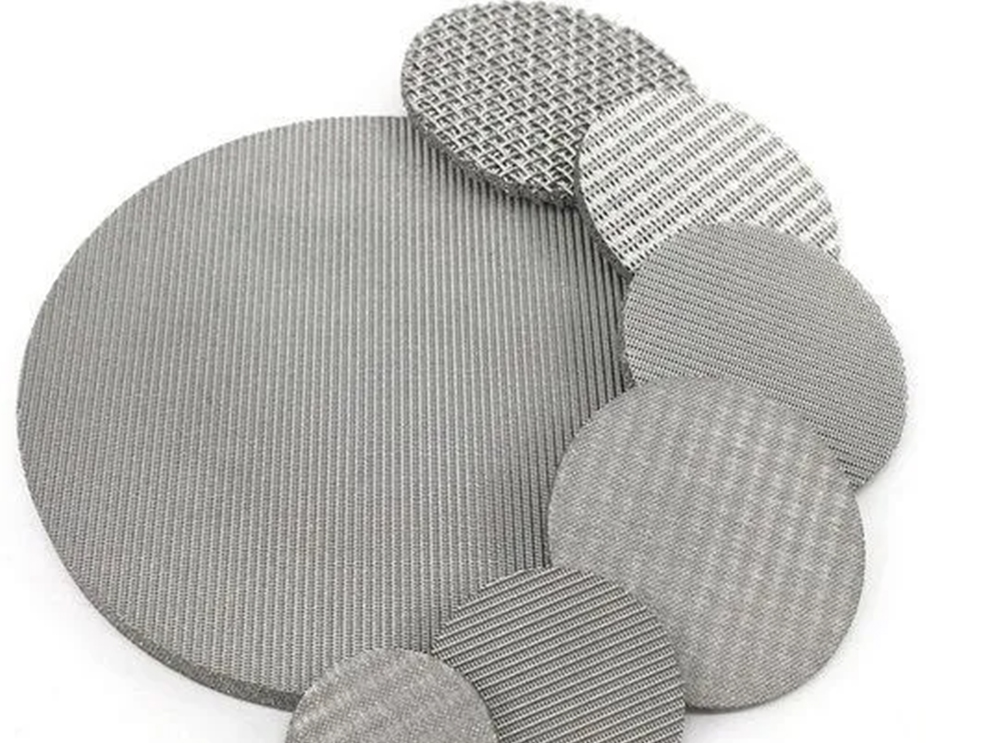
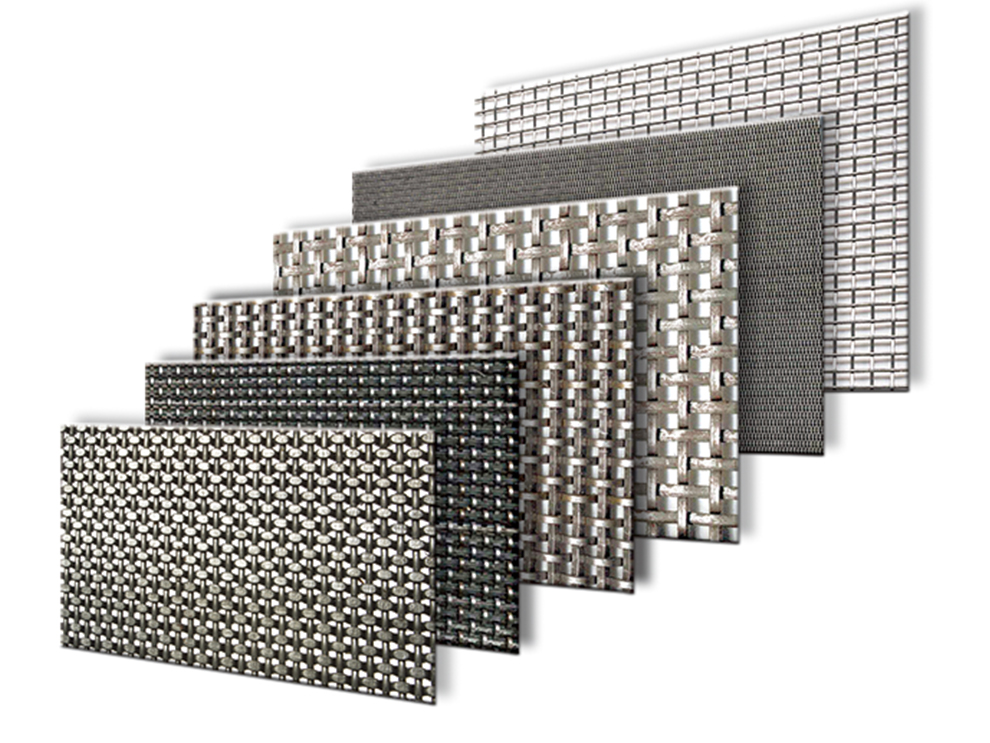
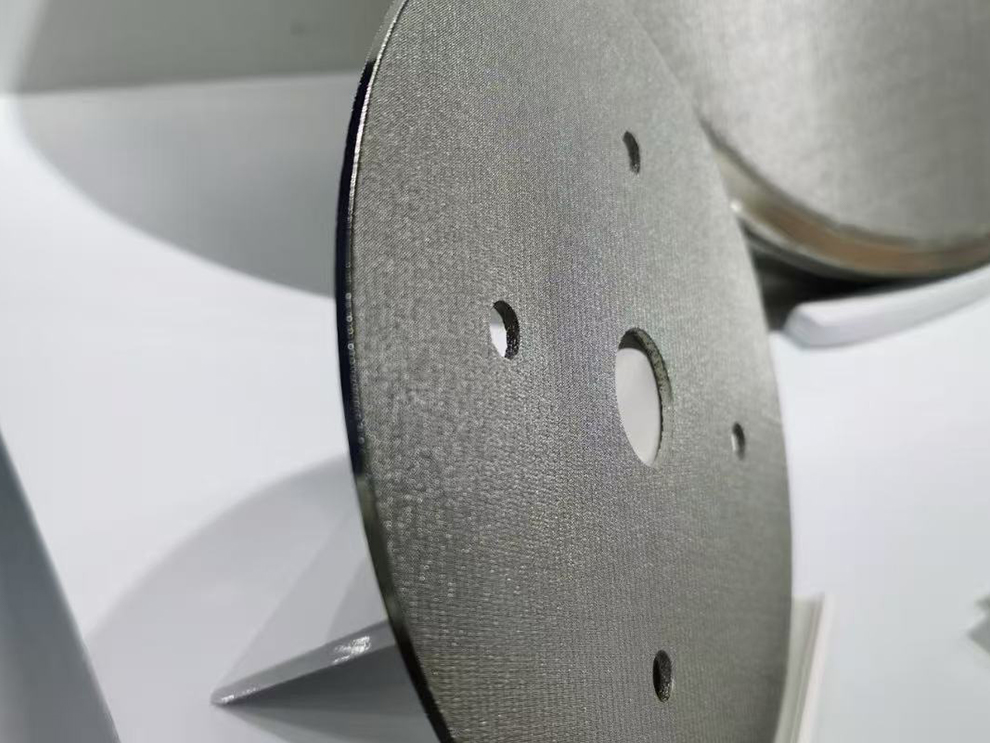
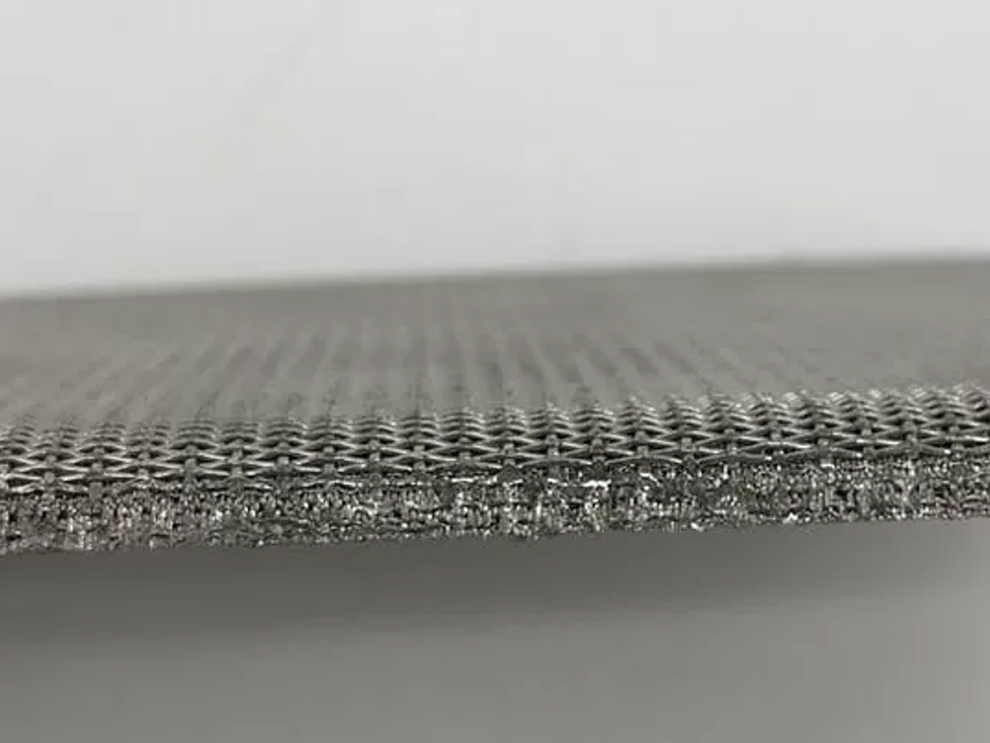
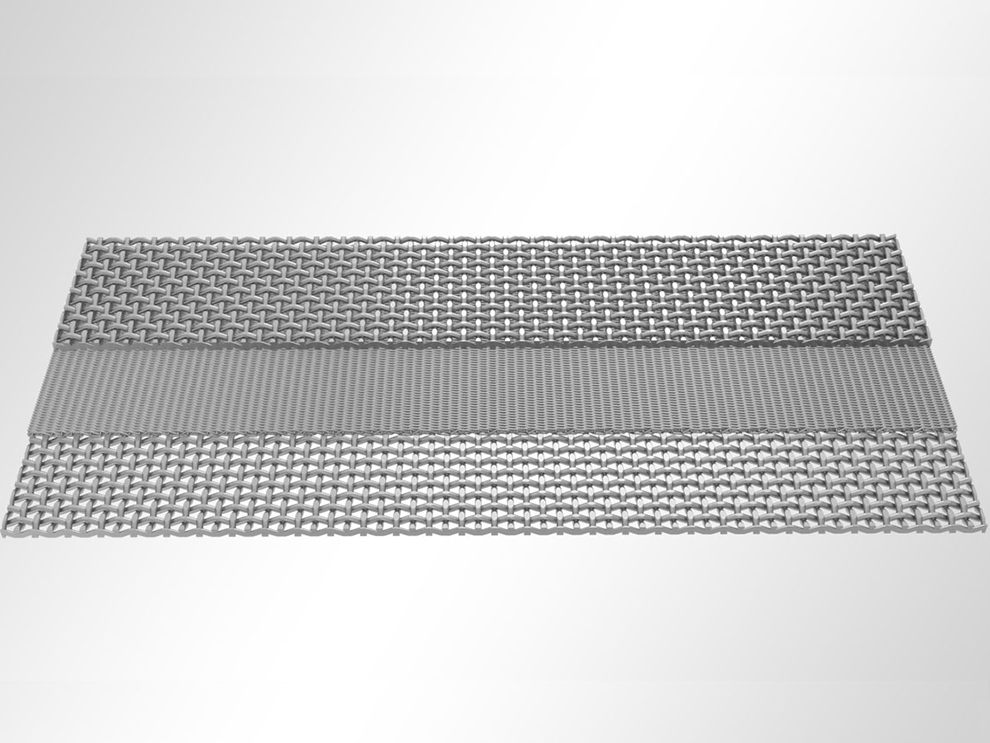
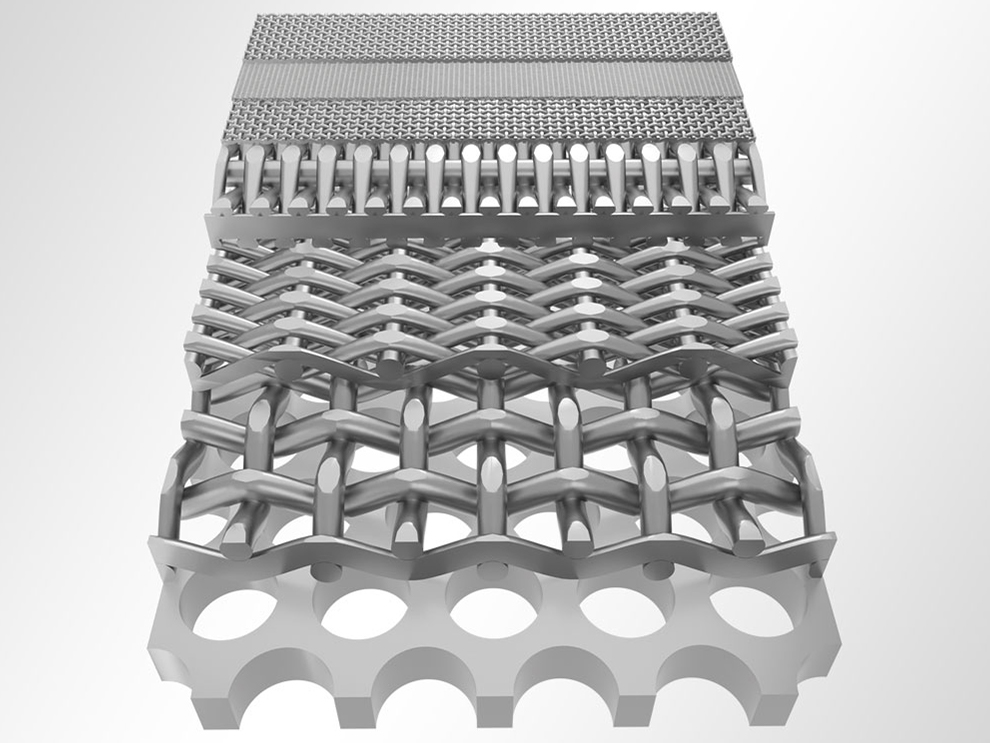
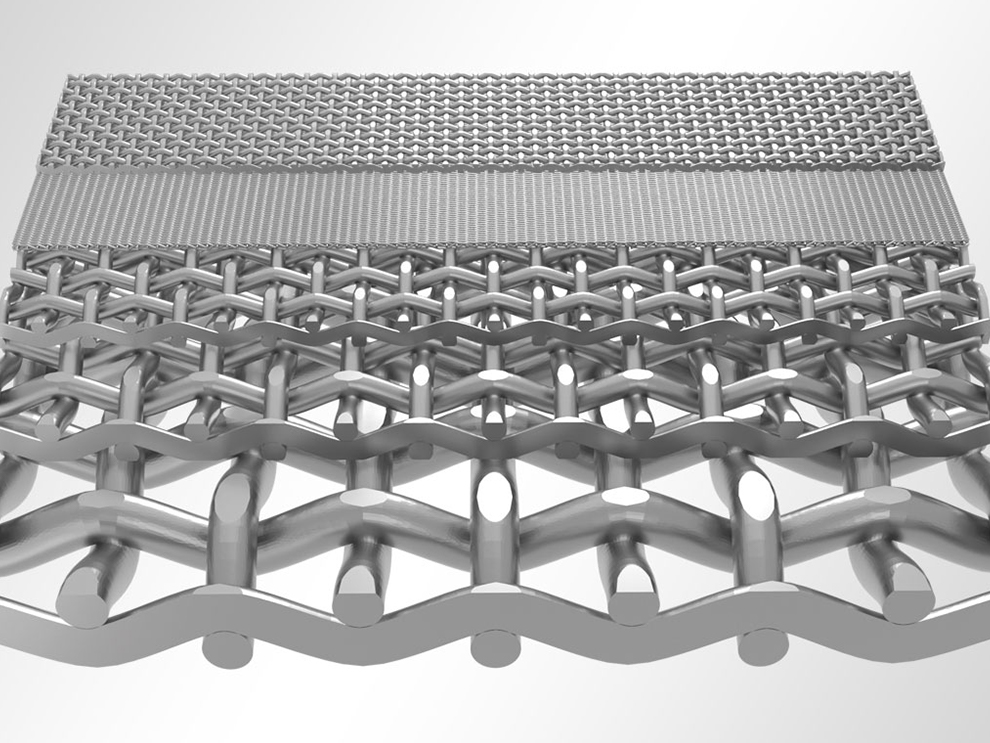
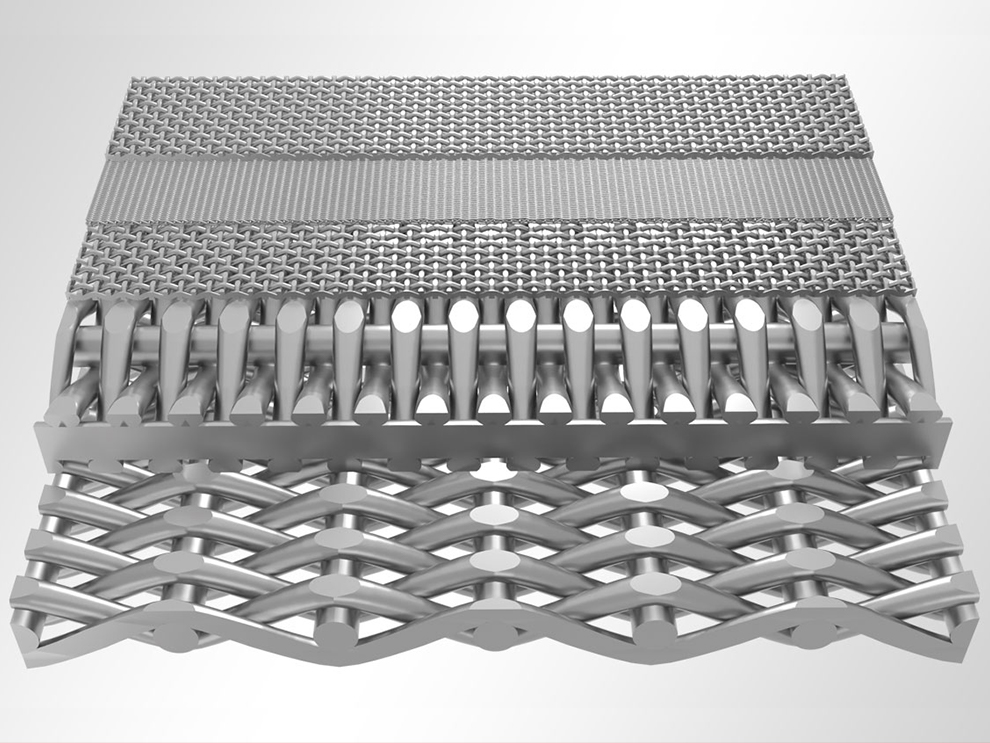
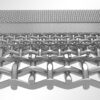
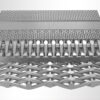
Laminating multiple layers of woven wire mesh together is a more common application of the sintering process, which compared to a single layer of wire mesh, has increased mechanical strength, greater preservation of filter rating under pressure, is easier to clean, and has better structural integrity. A multiple-layer sintered wire mesh part can maintain the filtration rating of its finest mesh layer, while also maintaining the mechanical strength of its coarser support layers.
Sintered wire mesh has many advantages that make it an ideal choice for industrial applications. Advantages include:
- High mechanical strength with the ability to maintain a steady filter rating under high pressure.
- Easy to clean with a variety of filter cleaning techniques and reuse.
- Heat and corrosion-resistant.
- Easy to fabricate, weld, punch, shear, or otherwise form into various parts.
- Wide range of filter ratings.
sintered wire mesh is a standard and widely used type of sintered metal mesh Sintering is a process that improves the characteristics of woven wire mesh by bonding the contact points of all the wires together to form a mesh whose wires are securely fused in place. This is achieved through a combination of heat and pressure, and the result is a single-layer sintered wire mesh.
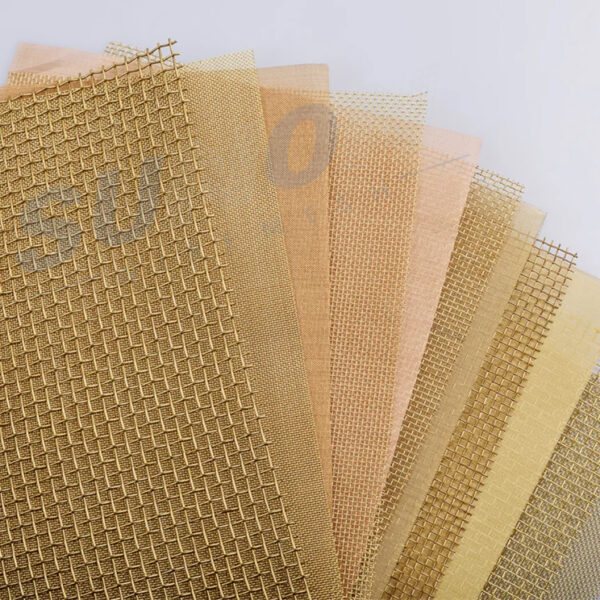
These layers generally consist of 316L stainless steel wire mesh, but special alloys such as Hastelloy, Monel, Inconel, Alloy 20, etc. can be incorporated as well.
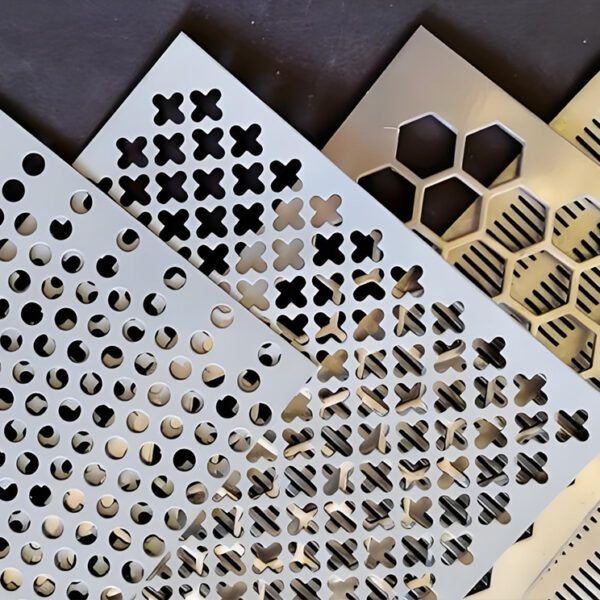
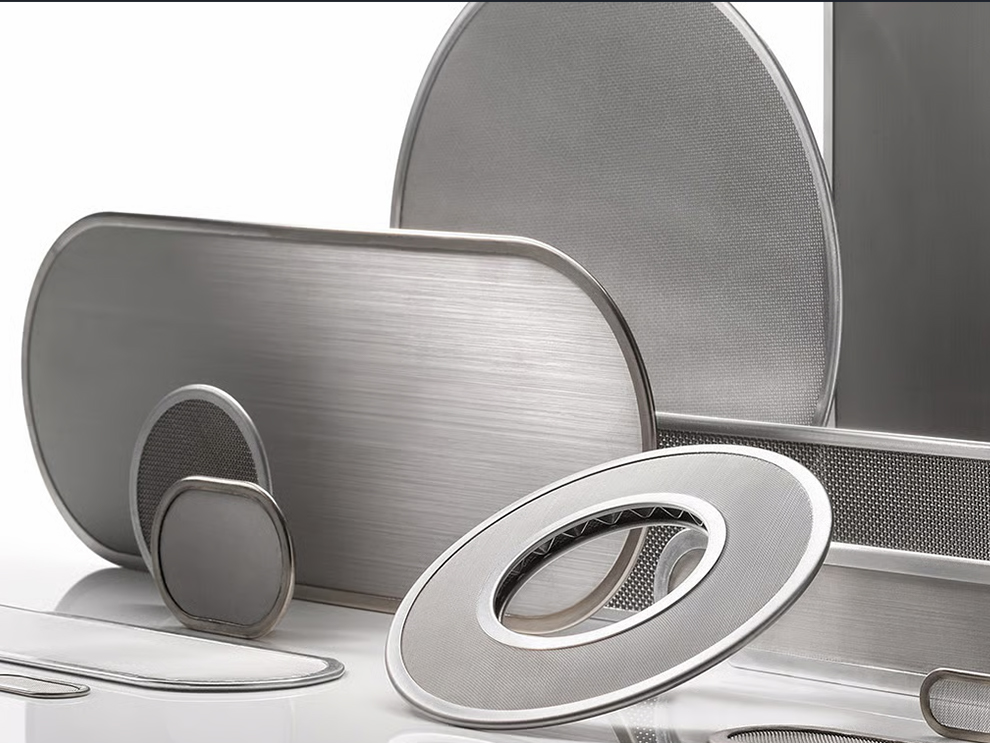
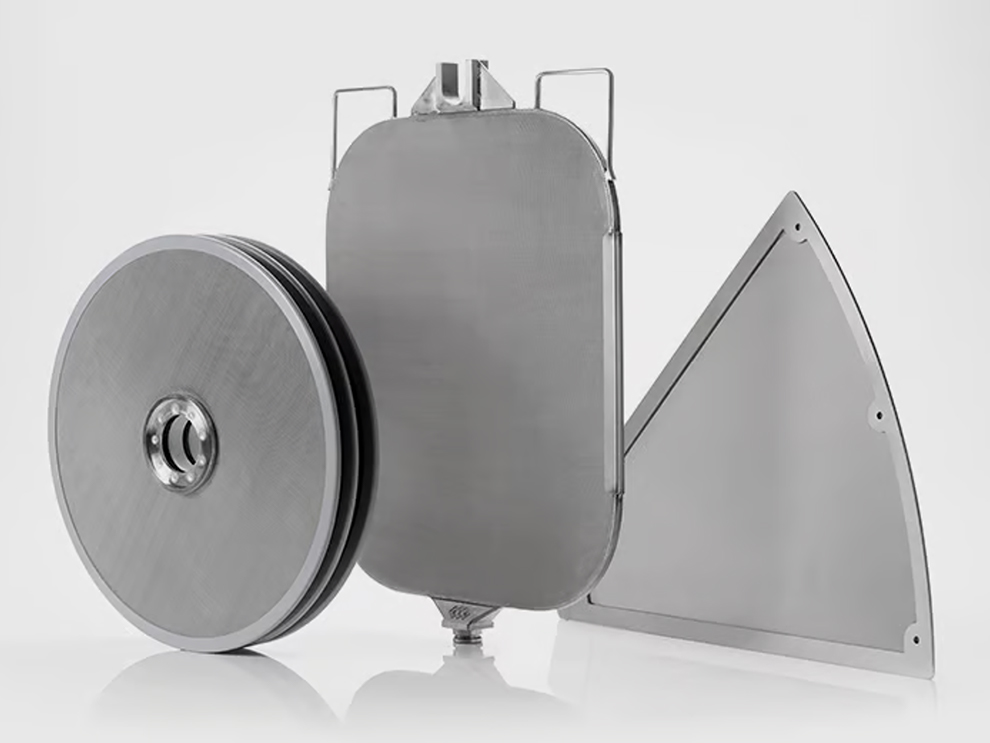
These can be shipped as flat sheets, or we can cut a variety of custom-sized discs or donuts, or cut different-sized square and rectangular sheets. These sintered wire mesh laminates can also be rolled into tubes to form cylindrical sintered filters. We specialize in helping through the entirety of the ordering process, from initial design to the finished product, from sourcing the wire mesh to sintering the multiple layers to forming and fabricating into the final assembly