-
Brass
Brass Wire Mesh – Alloy Overview
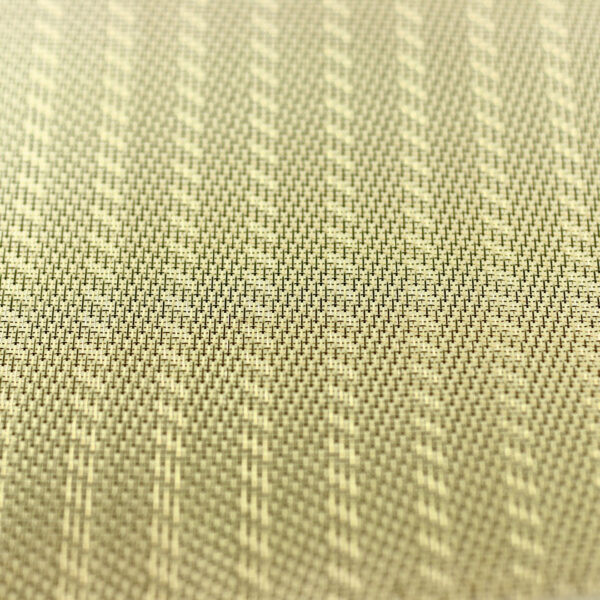
65-35 yellow brass wire mesh (aka C270 brass wire mesh) is the most extensively used brass alloy in the industrial wire cloth world. As its common industry name suggests, 65-35 yellow brass is comprised of 65% copper and 35% zinc, with small additions of lead (0.045%) and iron (0.035%). When compared to copper wire cloth, C270 brass wire cloth possesses much better abrasion resistance, hardness, and tensile strength; it also exhibits improved corrosion resistance and lower electrical conductivity. As a higher zinc content results in a stronger, more ductile brass material, 65-35 yellow brass is stronger and more ductile than 80-20 low brass and 70-30 cartridge brass, but weaker and less ductile than 60-40 muntz brass. In comparison to phosphor bronzes, C270 brass is a softer material. Some characteristics of 65-35 yellow brass wire cloth which dictate its wide use are:
- The most widely used brass alloy for cold-forming.
- Non-magnetic in all forms.
- Golden yellow in color.
- Withstands outdoor exposure without rusting.
- Corrodes when exposed to ammonia and other salts.
- Good thermal and electrical conductivity.
- Antimicrobial.
- Can be cut, formed, and welded.
-
Cable Tray
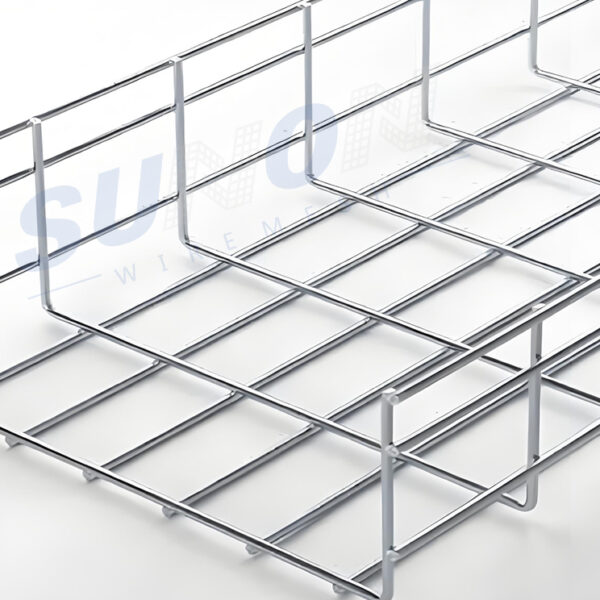
SUNON Wire mesh Cable Tray concept based upon performance, safety and economy; three qualities which make SUNON Wire mesh Cable Tray system preferred by installers. SUNON adapts to the most complex configurations, and its structure gives maximum strength for minimum weight. The ease of creating fittings, carried out on site, as well as the wide range of unique and universal accessories gives complete freedom in routing combined with exceptionally fast installation.
-
Cable Wire Mesh Patterns
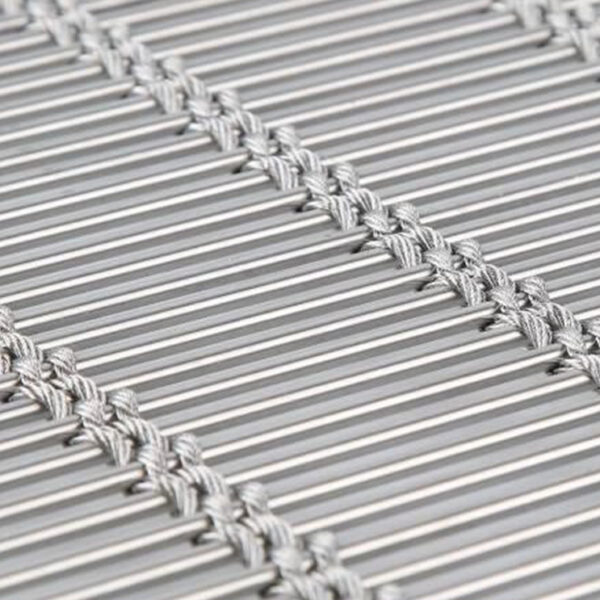
Our Cable architectural meshes have rigid and flexible structures, which combines steel rods and steel ropes together. You can adjust the rod and rope pitch and material to achieve extraordinary visual affects.
are available for both interior and exterior designs for partition, ceiling, facade, security fences and decorative elements. Large open area can satisfy excellent air and light circulation requirements.
Discover more possibility with our Cable Wire Mesh products.
-
conveyor mesh
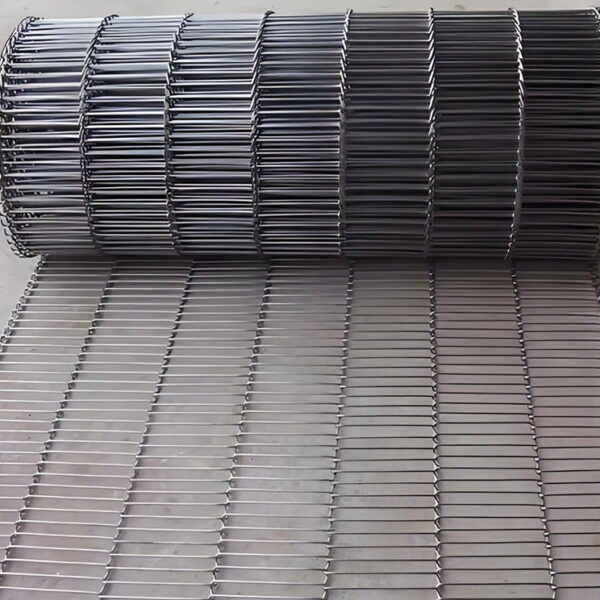
Conveyor Mesh Belt is for applications with particularly high load or for the products which require a narrower aperture, Mostly use Stainless steel materials.
-
Copper
Copper Wire Mesh – Alloy Overview
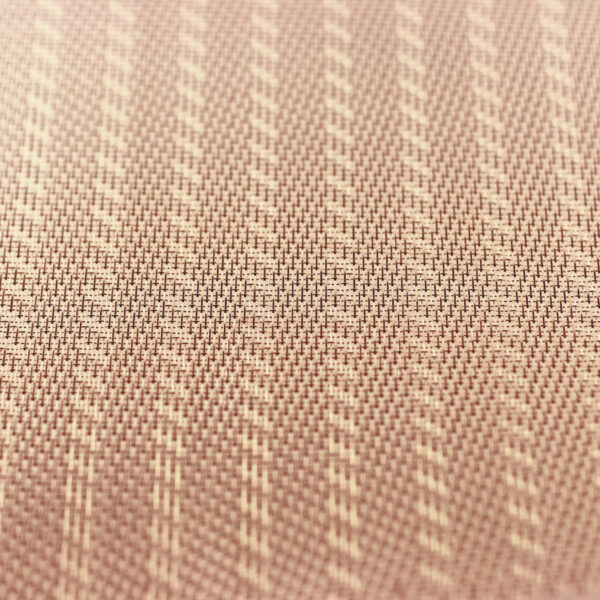
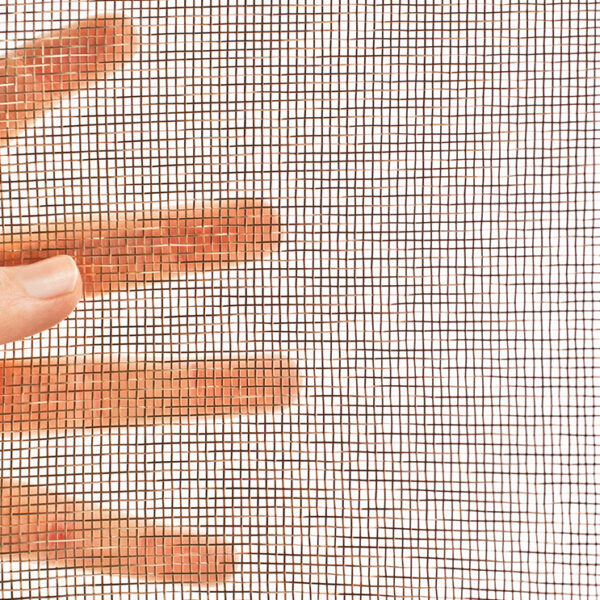
Copper wire mesh is an infrequently used copper alloy in the world of wire cloth. copper is a pure, phosphorized copper with a minimum copper content of 99.9% and a nominal phosphorus content of 0.008%. As with other pure coppers alloys, copper wire mesh possesses excellent electrical and thermal conductivity, and is very malleable, pliable, and ductile. In comparison to bronzes and brasses, C12000 copper wire cloth possesses lesser abrasion resistance, hardness and tensile strength.
Following weaving, copper wire cloth is reddish-brown in color. Over time, the surface will slowly patina to a greenish/blue color known as verdigris. The environment plays a primary factor in the pace at which C12000 copper wire mesh will patina. In dry conditions, it can take years for the patina to take full effect, whereas in outdoor, seaside settings, copper wire cloth will fully patina in as little as six months.
If desired, you can speed up the patina effect by removing surface oil with a mild household cleaner, or can slow down the patina effect by applying a lacquer, wax, or occasional oiling to protect the copper wire cloth from the environment.
Some characteristics of copper wire cloth which dictate its use are:
- An infrequently used copper alloy for wire cloth (CDA 102 copper being the most commonly used).
- Non-magnetic in all forms.
- Reddish-brown in color following weaving; will slowly patina to a greenish/blue color known as verdigris.
- Withstands outdoor exposure without rusting.
- Superior resistance to atmospheric corrosion vs. bronze & brass alloys.
- Corrodes when exposed to ammonia and other salts.
- Excellent thermal and electrical conductivity.
- Antimicrobial.
- Can be cut, formed, and welded.
-
Decorative Laminated Glass (Metal Mesh Laminated Glass)
Incorporating wire and metal mesh in laminated glass brings an elegantly shiny, shimmering and potentially glistening element to any space. Available in an array of finishes and patterns, metal mesh glass or mirror provides the desired look in safety-rated glass that’s easy to install and maintain.
-
Dutch (Hollander) Weave Filter Mesh
Dutch Weave Filter Mesh, also known as Dutch Weave Mesh available in Plain Weave or Twill Weave, is a specialised type of woven wire mesh designed for high precision filtration and separation applications.
Dutch Mesh is manufactured with a unique weaving pattern, a thicker wire in one direction and a more tightly woven wire on the other direction. Producing a denser and more compact mesh, commonly used in pharmaceutical, petrochemical, aerospace and wastewater treatment facilities.
Common Applications
- Filtration of fine liquids, provides consistent flow rates
- Sieving and sizing of fine particles
- Pressure and vacuum filtration
-
Epoxy Coated
Epoxy Coated Wire Mesh – Alloy Overview
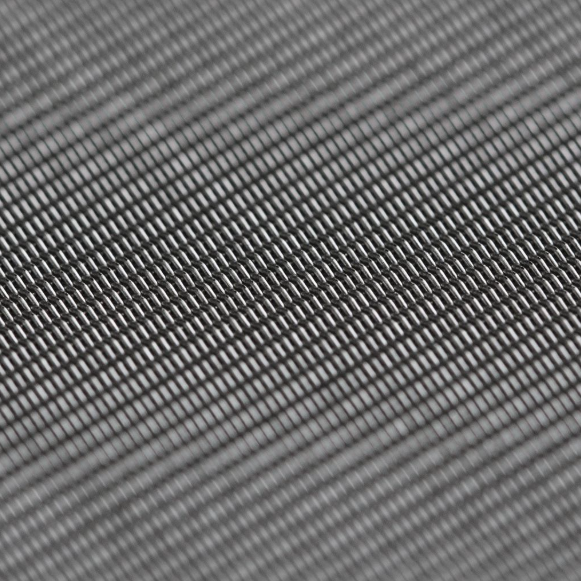
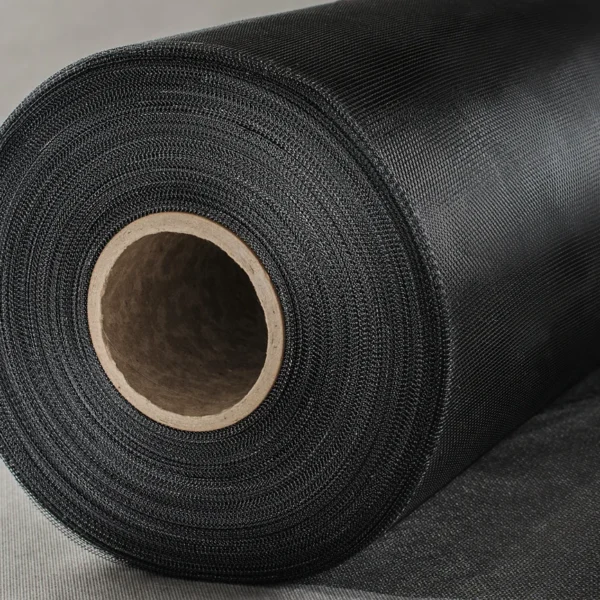
Epoxy Coated Wire Mesh is a metal mesh with a high-quality epoxy resin coating applied to the surface, typically using carbon steel, stainless steel, or aluminum wire as the base material. The coating enhances its resistance to corrosion and chemicals. Epoxy coated mesh offers excellent corrosion resistance, oxidation resistance, and good mechanical properties, making it ideal for use in filtration systems, HVAC and ventilation equipment, building protection, and industrial equipment. It is particularly suited for applications requiring long-lasting durability and high corrosion resistance.